
Published on 8 min read By Granja Natura
Screen detox: nature activities for kids that replace screen time
More and more children spend too much time in front of screens. Discover how nature activities and educational farm visits help families enjoy a healthy digital detox.

In a world where screens dominate children’s free time, more and more families are looking for real alternatives that offer their children experiences no device can replicate. The figures are concerning: many children spend far more hours a day in front of screens than the World Health Organization recommends.
At Granja Natura, our nature education centre in Navas (Barcelona province, Catalonia), we always see the same phenomenon: the moment children arrive and see the animals, phones vanish from their hands as if by magic. They do not need filters or apps when there is a real emu standing in front of them.
Why screens are a problem for children
This is not about demonising technology; it is about finding a healthy balance. Excessive screen time in children is linked to well-documented problems:
Impact on physical health
- Sedentary behaviour: Screen hours replace active outdoor play
- Vision problems: Childhood myopia has increased notably in recent years
- Sleep disruption: Blue light from screens suppresses melatonin and makes it harder to fall asleep
- Childhood obesity: Screen time correlates directly with excess weight in children
Emotional and cognitive impact
- Reduced attention span: The constant, rapid stimulation of screens makes it harder to concentrate on slower activities
- Anxiety and irritability: When the device is taken away, many children show symptoms similar to withdrawal
- Less creativity: Passive content consumption reduces the ability to generate original ideas
- Social difficulties: Less face-to-face play means fewer social skills developed
Various studies link excessive screen time at an early age with a poorer emotional vocabulary and greater difficulty identifying and expressing emotions, especially compared with children who spend that time playing and on outdoor activities.
WHO recommendations on screen time
The World Health Organization sets clear guidelines that most families are unaware of:
- 0-2 years: Zero screen time (no screens, not even in the background)
- 2-5 years: Maximum 1 hour per day of quality content, accompanied by an adult
- 6-12 years: Maximum 2 hours per day of recreational screens (excludes schoolwork)
- Teenagers: Establish consistent limits and encourage alternative activities
The reality, however, is very different. More and more children have their own mobile phone at an early age, and daily recreational use tends to go well beyond these guidelines.
Nature as an antidote: why it works
The science is conclusive: contact with nature is not just an alternative, it is a biological necessity for child development. The concept of “Vitamin N” (nature) describes the range of benefits that regular contact with natural environments brings to children:
Proven cognitive benefits
- Improved attention: A University of Illinois study showed that 20 minutes in nature measurably improves concentration in children with ADHD
- Creativity boost: Natural environments activate divergent thinking, essential for problem-solving
- Better academic performance: Children who spend regular time in nature achieve higher marks in science and maths
Emotional benefits
- Stress reduction: Cortisol (the stress hormone) drops significantly after 30 minutes in a natural setting
- Higher self-esteem: Overcoming small challenges outdoors (walking a trail, touching an animal) builds confidence
- Emotional regulation: Nature teaches patience, observation and acceptance
Social benefits
- Cooperative play: In nature, children play together, negotiate and collaborate spontaneously
- Verbal communication: Without screens, children talk more, ask more questions and listen more
- Family bonds: Shared nature experiences strengthen relationships
7 nature activities that replace screens
1. Visit an educational farm
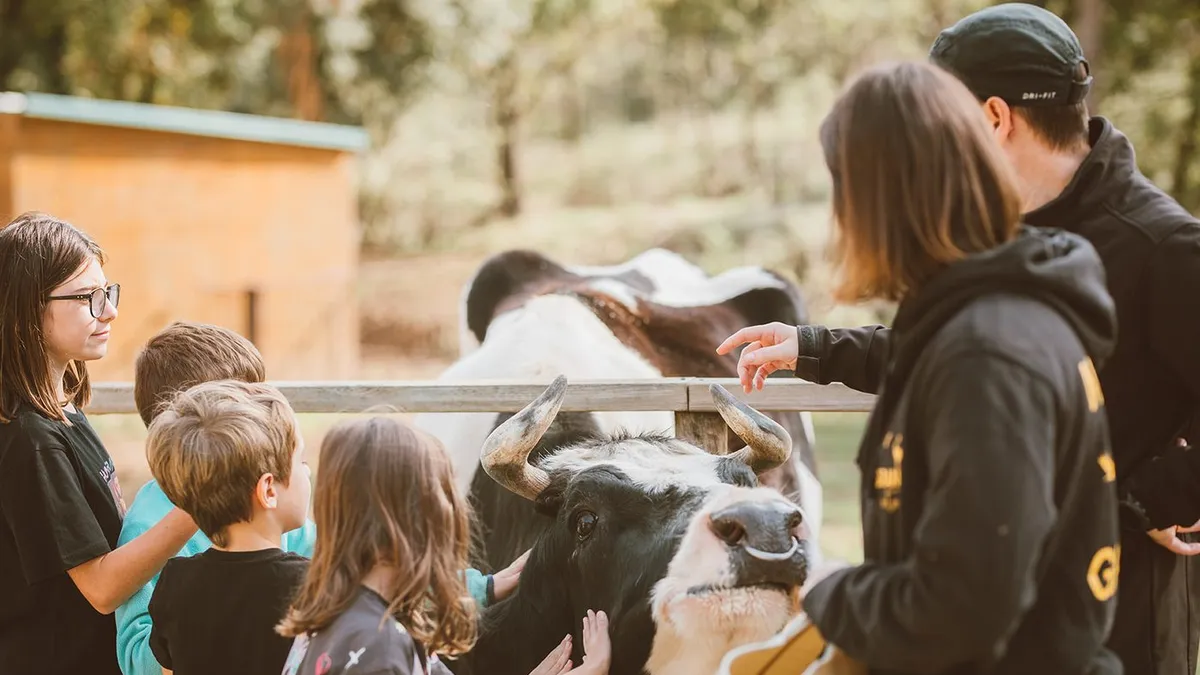
Educational farm visits are one of the best activities for a family digital detox. On a guided visit children can:
- Feed goats, sheep and pigs
- Touch giant land tortoises
- Observe birds of prey up close
- Enjoy supervised contact with reptiles and amphibians
- Learn about over 30 animal species
The key is that the experience is so absorbing and exciting that children do not think about screens for a moment.
2. Mediterranean forest hikes
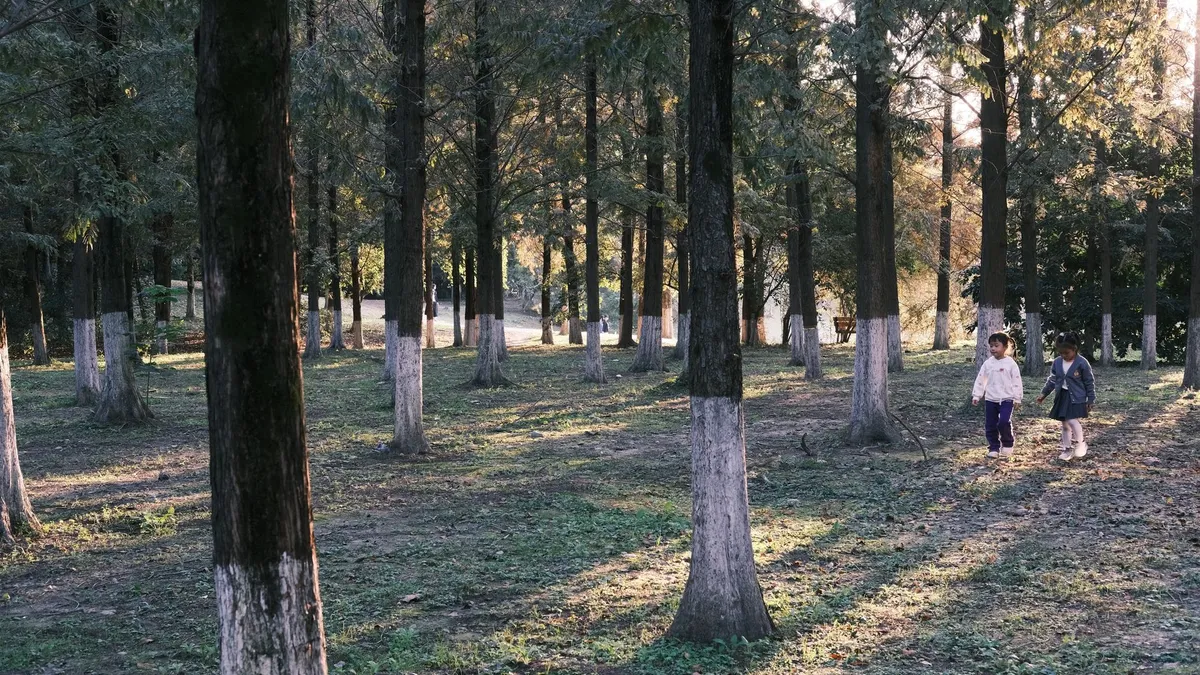
The Mediterranean forest of Central Catalonia is a fascinating ecosystem to explore as a family. You can search for animal tracks, identify trees and plants, or simply walk and listen to the sounds of the woods. Nature hikes near Barcelona offer varied landscapes accessible to all ages.
3. Birdwatching and wildlife observation
Equip yourselves with basic binoculars and a notebook and head out to spot birds. Catalonia is one of the best places in Europe for birdwatching, with species as spectacular as the bearded vulture (trencalos) in the Pyrenees or swallows in spring. At our centre you can see birds of prey up close and, at the afternoon workshop, even fly them yourself.
4. An allotment or school garden
If you cannot get to the countryside every day, a home garden or balcony planter is an excellent way to connect children with nature. Sowing, watering, watching things grow and harvesting teach patience, responsibility and the cycle of life.
5. Outdoor sensory games
Organise games that stimulate all the senses: find textures in the forest, identify sounds with eyes closed, smell aromatic herbs (rosemary, thyme, lavender, all native to the Bages region around Navas). These games activate brain areas that screens never reach.
6. Nature photography (with a real camera)
Give the children a camera (it can be a disposable or an old digital one) and set a photo challenge: find 10 different insects, photograph 5 natural textures, or capture every colour of the rainbow in nature. This teaches them to observe attentively without the distraction of a smartphone.
7. Environmental volunteering
For young people aged 16 and over (minors need authorisation from their legal guardian), taking part in environmental volunteering such as forest clean-ups, tree planting or helping at wildlife centres is a transformative experience. Check our volunteering programme and the tasks involved.
How to do a digital detox as a family: practical guide
Step 1: Set clear rules
This is not about banning screens overnight but establishing progressive rules that the whole family follows, adults included:
- Screen-free weekends until midday
- No phones at the dinner table
- One compulsory outdoor-activity afternoon per week
- Devices out of bedrooms at bedtime
Step 2: Plan attractive alternatives
The gap left by screens must be filled with activities that are genuinely more interesting. Book a visit for the weekend, plan a woodland hike, or organise an outdoor game.
Step 3: Lead by example
If parents are constantly on their phones, the message to children is contradictory. The digital detox should be a shared family project.
Step 4: Be patient
The first screen-free days can be tough. Children may complain of boredom. That is normal and, in fact, positive: boredom is the precursor of creativity.
“When children tell us ‘I’m bored’, what they’re really saying is ‘I need to create’. Boredom is the doorway to imagination.”
Step 5: Celebrate the wins
After each nature activity, talk about it as a family. “What did you like most? What did you discover? What would you like to do again?”. These conversations reinforce the value of lived experience.
The Granja Natura effect: why children forget their phones
At Granja Natura (Navas, Barcelona province) we often see how natural disconnection works. When a child is face to face with a two-metre emu, a giant tortoise or an owl staring right at them, the phone loses all appeal.
Our guided visits are designed to keep children actively engaged throughout:
- Supervised direct contact: children touch gentle animals, always accompanied by guides
- Animal feeding: Children prepare and hand out food to goats, sheep and poultry
- Interactive talks: Guides ask questions, set challenges and share fascinating facts
- Outdoor spaces: Paths between enclosures, green areas, constant contact with nature
The result? Children who arrive glued to their phone and leave asking: “When can we come back?”.
Resources for families: apps that help you disconnect
Paradoxically, there are digital tools that can help with the transition to less screen time:
- Screen timers: Set daily limits on devices
- Nature apps: iNaturalist for identifying species in the field (purposeful, occasional use)
- Family calendars: Schedule a weekly outdoor activity and mark it on the calendar
But remember: the ultimate goal is not to need any app to enjoy nature.
Start your digital detox today
There is no need to wait for the weekend or the holidays. Today you can:
- Set a new rule: “Tonight we eat dinner without phones and plan our next outing”
- Plan an outing: Book a visit for next weekend
- Get outside: Even a 30-minute walk in the nearest park is a first step
At Granja Natura, just one hour from Barcelona, we are waiting for you with over 30 animal species, outdoor educational activities and the nature-contact experience your children need. Because the best digital detox is not an app: it is an emu looking you in the eye.
Book your visit to Granja Natura and discover the power of disconnecting to connect with what truly matters.
Frequently asked questions
How many hours of screen time per day are recommended for children?
The WHO recommends zero screen time for children under 2, a maximum of 1 hour for ages 2-5, and no more than 2 hours of recreational screen time for ages 6-12. In practice, the average in Spain far exceeds these guidelines.
How can nature activities help with screen addiction?
Nature offers multi-sensory stimuli that activate the brain's reward system in a healthy way. When a child touches an animal, smells the countryside or discovers an insect, they experience genuine curiosity and excitement that reduce the need for digital stimulation.
At what age is it good to start nature activities with children?
From a very young age, children can already enjoy adapted nature activities. At Granja Natura visits are suitable for all ages, babies under 1 enter free, and guides tailor the experience to each age group. The afternoon workshop is recommended from age 5.
What does Granja Natura offer as an alternative to screens?
At Granja Natura children can feed animals, touch tortoises, observe birds of prey, enjoy supervised direct contact with gentle animals among over 30 species, and take part in outdoor educational activities. During visits, children completely forget about their phones because the real experience is far more stimulating.
How do I prepare a digital-detox family outing?
Set the rule of leaving phones in the car or in the backpack. Bring an analogue camera if you want photos. Plan specific activities such as a guided visit to Granja Natura where the guides lead the experience. Most importantly, adults must also disconnect to set the example.
Related articles
-
10 benefits of farm school visits for children
Discover why educational farm visits are one of the best activities for children. From animal contact to environmental education, farm schools near Barcelona offer unforgettable experiences.
-
Complete guide: the best family excursions near Barcelona for 2026
Planning a family outing? Discover the best excursions with children near Barcelona: educational farms, natural parks, nature activities and much more. Updated guide for 2026.