Published on 5 min read By Granja Natura
Volunteering with animals near Barcelona: what to expect
Want to volunteer with animals near Barcelona? We explain what the tasks involve, the requirements and how to take the first step to get started.
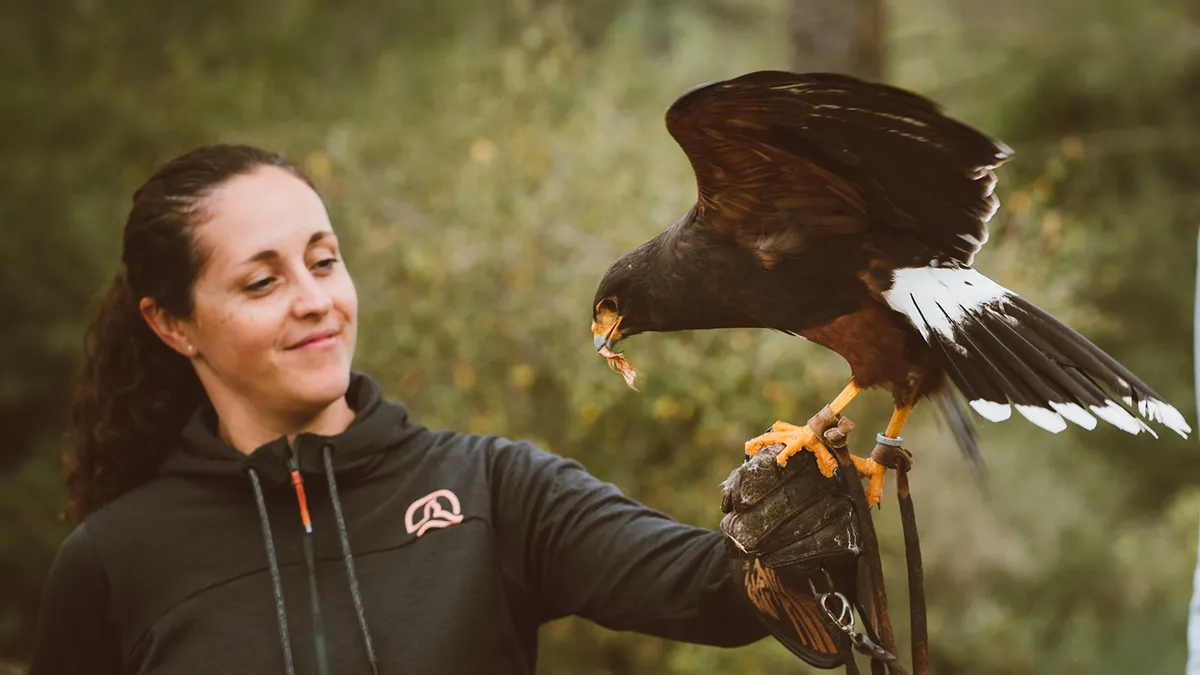
If you have ever thought about dedicating time to caring for animals and supporting a nature project near Barcelona, volunteering is a direct way to do it. A nature education centre like Granja Natura, in Navas (Barcelona province), in the heart of Central Catalonia, runs largely thanks to the people who give it their time. In this article we explain what volunteering with animals really involves, what tasks volunteers carry out, what the requirements are and how to take the first step.
You do not need previous experience or any qualifications. With a willingness to help, respect for animals and a readiness to learn, you already have what matters most.
Why volunteer with animals?
Volunteering with animals is one of the most rewarding experiences you can have. The benefits show from the very first day, both personally and professionally.
Personal benefits
- Stress reduction: regular contact with animals helps you switch off from the daily grind and relax
- Better mood: physical activity outdoors and animal interaction make you feel good
- Purpose and meaning: knowing that your work directly improves an animal’s life is profoundly satisfying
- Nature connection: in an increasingly digital world, volunteering reconnects you with the natural world
Professional benefits
- Transferable skills: teamwork, responsibility, problem-solving and communication
- Hands-on experience: ideal for those interested in veterinary science, biology, environmental education or social work
- Networking: meet other volunteers and people connected to the sector
- CV boost: volunteering is highly valued by universities and employers
Social benefits
- Community: you become part of a group of people who share your values
- Real impact: your contribution has a direct and visible effect
- Inspiration: you inspire family and friends to get involved in social projects
What do volunteers do?
Volunteering is varied and tailored to each person’s interests. These are the main areas of activity at an animal centre.
1. Daily animal care
The most important and rewarding task:
- Feeding: preparing and distributing daily food for over 30 species, each with its own specific diet
- Watering: checking and filling water troughs
- Enclosure cleaning: keeping facilities clean and hygienic
- Observation: spotting changes in behaviour or signs of illness
- Environmental enrichment: preparing activities and stimuli for the animals (toys, hidden food, new textures)
2. Habitat and facility maintenance
- Repairs: fences, shelters, water troughs
- Gardening: maintaining green areas, planting trees and shrubs
- Construction: helping build new enclosures or improvements
- Signage: updating information boards and trail markers
3. Supporting educational activities
For those who enjoy working with people:
- Guided visits: assisting the guides during family and school visits
- Workshops: helping with educational workshops for children and families
- Events: supporting fairs and events
- Visitor assistance: informing and directing visitors
4. Specialist tasks
For volunteers with specific skills:
- Photography and video: documenting life at the centre for social media and the website
- Design: creating educational materials, posters and visual content
- Communications: helping with social media and the blog
- Translation: translating materials into Catalan, Spanish or English
- Veterinary: vet students can collaborate on supervised animal-care tasks
Who can volunteer?
The minimum age to volunteer is 16. Under-18s need authorisation from their legal guardian. No previous experience is required: tasks are supervised and you receive initial training in animal care, safety and hygiene.
If you are looking for an activity with animals for younger children or for your company, the right option is a group visit, which suits families, groups of friends and work teams.
You will find all the detailed requirements and the sign-up form on the volunteering page.
How to get started
Taking the first step is simple:
- Think about your availability: which days and how many hours you can give, and for how long.
- Sign up: fill in the form on the volunteering page or get in touch with the centre, explaining why you want to help and what your availability is.
- Training and support: before you start you receive initial training and, for the first few days, the team accompanies you so you can settle into the routines with confidence.
Getting there
- Location: El Mujal, Navas (Barcelona province, Central Catalonia, Bages district)
- From Barcelona: roughly 1 hour and 80 km via the C-16, exit 71 (Navas Sud)
- Access: reached by a dirt track that is passable by car
- Public transport: there is a bus (ALSA) on weekdays, plus a short taxi ride of about 4 km to the centre. At weekends there is no public transport, so you will need your own vehicle
What to bring
- Comfortable clothes that can get dirty
- Sturdy closed-toe footwear (hiking boots or trainers)
- Sun protection and a hat in summer
- Warm layers in winter, as we work outdoors
- Reusable water bottle
- Enthusiasm and a willingness to learn
Other ways to contribute
If you cannot volunteer in person, there are other ways to help:
- Sponsor an animal: support the care of an animal at the centre with tiers of 30, 60 or 120 euros a year, which include a personalised certificate and the chance to visit your animal. More information
- Spreading the word: share the centre’s posts and tell people about the project
- Visiting: every visit contributes to the upkeep of the centre and its animals
Join the Granja Natura volunteer team
At Granja Natura, every volunteer is a vital part of the team. Thanks to our volunteers, the animals receive the best possible care and families and schools enjoy a high-quality educational experience.
Your age (from 16), your background and your previous experience do not matter. What counts is your commitment to animals and nature.
Want to be part of the team? Check the requirements and sign up on the volunteering page. The animals are waiting for you.
Frequently asked questions
What are the requirements to volunteer with animals?
You must be at least 16 years old; under-18s need authorisation from their legal guardian. No previous experience with animals is required, because tasks are supervised and you receive initial training. You will find the full requirements and the sign-up form on the volunteering page of the website.
What tasks do volunteers carry out?
Main tasks include feeding and watering the animals, cleaning and maintaining the enclosures, preparing environmental enrichment, supporting educational visits and helping with the upkeep of the facilities and grounds. They are always supervised and assigned according to each person's skills and preferences.
How much time do I need to dedicate?
The commitment is agreed with the centre based on your availability. What matters is keeping some regularity so the animals and the team get to know you and you can settle into a routine. You can discuss your availability when you sign up.
Do I need previous experience with animals?
No. Tasks are supervised and you receive initial training in animal care, safety and hygiene. You only need motivation, respect for animals and a willingness to learn.
Can I do an activity with animals as a family or with my company?
Volunteering has a minimum age of 16, so it is not designed for young children. If you are looking for a family experience with children or a team-building activity with your company, the option is a group visit, which suits all audiences.
Related articles
-
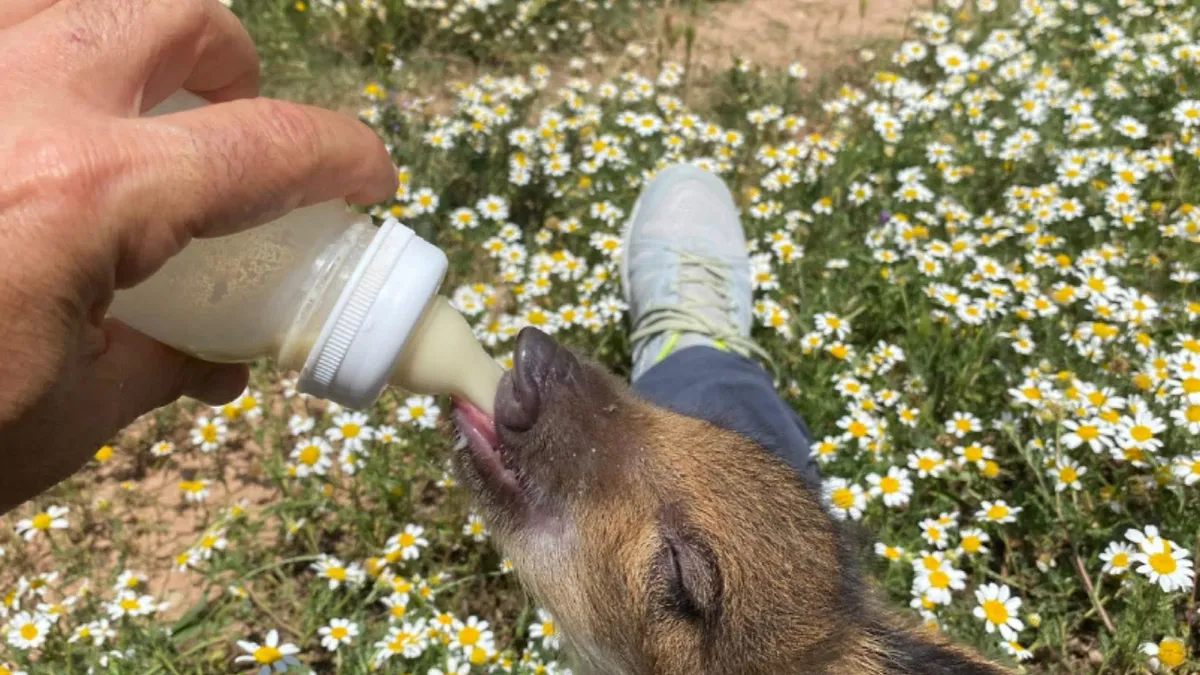
Animal adoption and sponsorship: alternative to buying pets
Buying a pet is not the only option. Discover how animal adoption and sponsorship are responsible alternatives that teach children values and help animals in need.
-
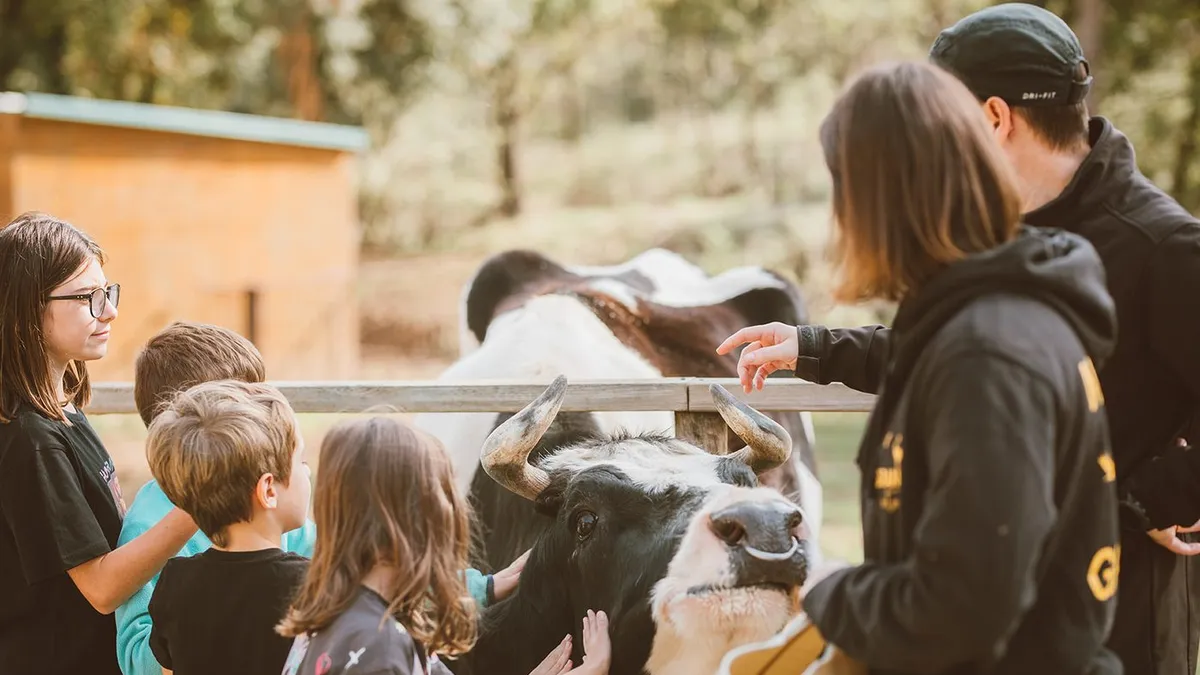
10 benefits of farm school visits for children
Discover why educational farm visits are one of the best activities for children. From animal contact to environmental education, farm schools near Barcelona offer unforgettable experiences.