Published on 8 min read By Granja Natura
Responsible pet ownership: animals are not toys
Over 280,000 animals are abandoned in Spain every year. Learn what responsible pet ownership truly means, legal obligations, and how to educate children about animal respect.
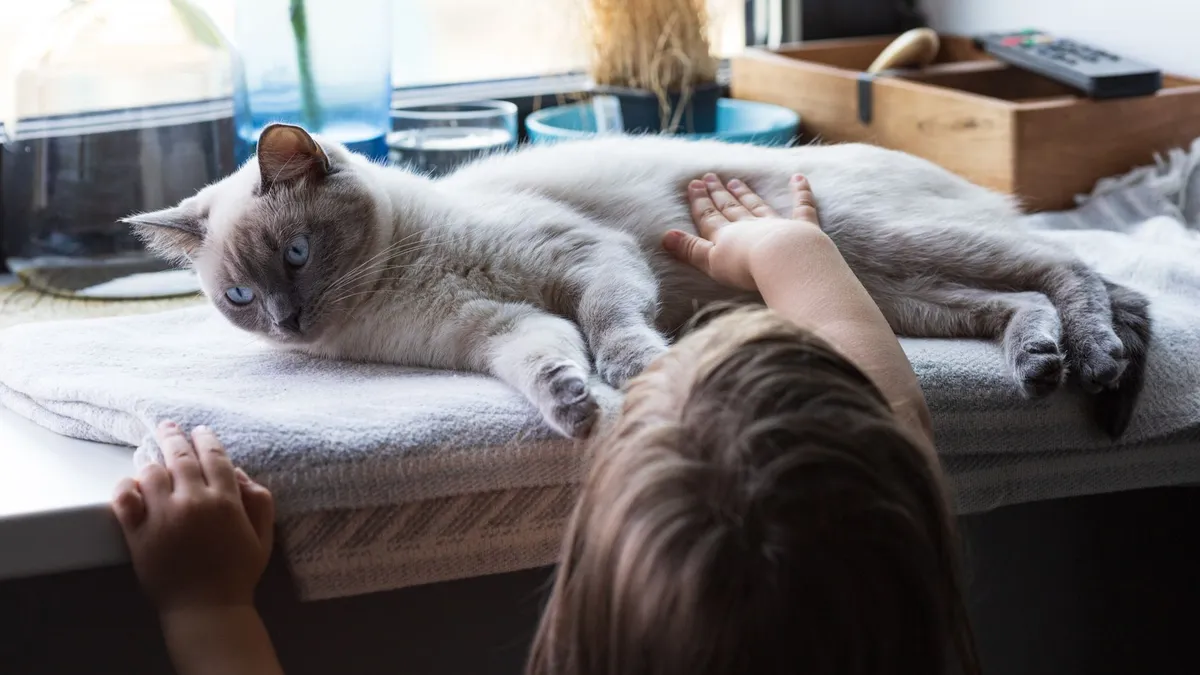
Every 2 minutes, a pet is abandoned in Spain. That stark statistic reflects a deep-rooted problem: many people acquire animals without understanding the commitment involved. At Granja Natura, our nature education centre in Navas (Barcelona province, Catalonia), one of our core missions is to educate children and families so that this figure stops growing.
Animals are not toys, they are not Christmas presents and they are not passing fads. They are living beings with physical and emotional needs that deserve respect and care throughout their entire lives.
Pet abandonment figures in Spain
According to the annual report by the Affinity Foundation (2025), the pet-abandonment figures in Spain are alarming:
- 286,000 dogs and cats taken in by shelters and local authorities in a single year
- Main reasons: change of address (15 %), animal behaviour (13 %), loss of interest (12 %), allergies (8 %), couple separations (7 %)
- Only 45 % of abandoned animals are adopted; the rest spend months or years in shelters
- Spain has one of the highest abandonment rates in Europe
Many abandoned animals were acquired on impulse, without weighing the commitment that caring for them involves. The problem is not the animal: it is the lack of prior information and reflection.
What does responsible ownership mean?
Responsible pet ownership goes far beyond providing food and water. It is a comprehensive commitment to the animal’s welfare throughout its life:
Basic needs
- Appropriate diet: Each species and breed has specific nutritional requirements. A large dog does not eat the same as a small one, and a cat cannot eat dog food
- Veterinary care: Vaccinations, deworming, annual check-ups and attention for any health issue
- Adequate space: The animal needs enough room to move, rest and play. A large dog cannot live in a 40 m2 flat without going out
- Exercise and stimulation: Daily walks (dogs), interactive play (cats), environmental enrichment (birds, reptiles)
- Hygiene: Bathing, cleaning of living areas, dental care, nail trimming
Emotional needs
- Companionship: Social animals (dogs, cats, rabbits) need regular human interaction
- Routine: Animals benefit from stable feeding, walking and resting routines
- Affection: Physical contact and emotional attention are essential for animal welfare
- Security: The animal needs to feel safe in its environment
Time commitment
Adopting an animal is a long-term commitment that many people underestimate:
| Animal | Life expectancy |
|---|---|
| Small dog | 12-16 years |
| Large dog | 8-12 years |
| Cat | 15-20 years |
| Rabbit | 8-12 years |
| Land tortoise | 50-100+ years |
| Budgerigar | 5-10 years |
| African grey parrot | 40-60 years |
| Goldfish | 10-15 years |
Financial commitment
The cost of keeping a pet is significant and must be considered:
- Dog: EUR 800-1,500 per year (food, vet, grooming, accessories)
- Cat: EUR 600-1,000 per year
- Emergency vet bill: Surgery can cost EUR 500-3,000
Legal obligations in Spain and Catalonia
Spanish Law 7/2023 on the Protection of Animal Rights and Welfare introduced important changes that every pet owner should know:
Main obligations
- Microchip identification: Mandatory for dogs, cats and ferrets
- Municipal census registration: The animal must be registered within the first 3 months
- Vaccination: Keep the vaccination schedule up to date (rabies vaccination is mandatory for dogs in Catalonia)
- Neutering: Mandatory for all cats before 6 months of age (to prevent uncontrolled colonies)
- Civil-liability insurance: set out for all dogs in Law 7/2023, pending regulatory development
- Not leaving the animal alone: Maximum 24 hours for dogs, 72 hours for cats
Penalties for non-compliance
- Abandonment: A criminal offence, with fines from EUR 10,000 to EUR 200,000
- Abuse: Prison sentences of 3 to 18 months and disqualification from keeping animals
- Lack of identification: Fines of EUR 500 to EUR 10,000
Why animals make poor gifts
Every Christmas, birthday or special occasion, thousands of families “give” animals to their children. Many of these animals end up abandoned within a few months, once the novelty wears off. The reasons are always the same:
- “I didn’t know it was so much work”: A puppy needs to go out 3-4 times a day, chews everything it finds and requires constant training
- “The child has lost interest”: The initial excitement fades quickly once the animal becomes a responsibility rather than a game
- “Allergies”: Discovered after the purchase
- “It’s got too big”: Especially with large-breed dogs and tortoises (a topic we cover in our article on tortoises)
An animal is not a surprise gift. The decision to bring a living being into the family must be considered, informed and agreed upon by everyone. If you want your children to learn about animals, visit educational centres before making any decision.
How to teach children respect for animals
Education in animal respect should start from a very young age. Children are not born knowing how to treat animals: they have to learn.
Ages 2 to 5
- Teach gentle touch: “We stroke softly, we don’t pull the tail”
- Recognise animal emotions: “Look, the cat is purring, it’s happy. Now it’s hissing, it wants to be left alone”
- Respect boundaries: “The animal doesn’t want to play right now; we need to leave it in peace”
Ages 6 to 10
- Progressive responsibilities: Filling the food bowl, changing the water, helping to clean
- Understanding needs: Explaining what each animal needs to be well
- Visiting educational centres: On a guided visit children learn from specialist guides about what animals are like, what they need and why they deserve respect
Age 11 and above
- Autonomy in care: Walking the dog, cleaning the cage, observing the animal for signs of illness
- Understanding commitment: Grasping that the animal depends entirely on us
- Social awareness: Learning about abandonment and the importance of adoption
The role of Granja Natura in animal education
At our centre (Navàs, Barcelona province), we believe the best way to prevent abandonment and mistreatment is education from childhood. That is why our guided visits are designed to teach children:
What children learn during the visit
- The real needs of animals: Food, space, veterinary care, environmental enrichment
- Respecting their space: How to approach animals, when to touch them and when to leave them alone
- Animal diversity: With over 30 species, children understand that every animal is different and has unique needs
- The commitment of keeping a pet: Guides explain how long they live, how much they eat and how much work they require
- Empathy: Direct contact with animals creates emotional connections that foster respect
Activities during the visit
- Guided visit: A walk-through with specialist guides to meet the animals and learn about their needs
- Supervised animal contact: Getting close to the gentler animals to learn to handle them with care and respect
- Guide talks: Real stories of the rescued animals that live at the farm
“The best vaccine against animal abandonment is education. A child who has learned to respect an animal will never leave it at the side of a road.”
Granja Natura educational team
Before getting a pet: the checklist
If your family is thinking about welcoming a pet, ask yourselves these questions before making any decision:
- Time: Do you have 1-3 hours a day to devote to the animal? (walks, play, care)
- Space: Is your home suitable for the species you want?
- Budget: Can you afford EUR 600-1,500 per year in expenses?
- Holidays: Who will look after the animal when you travel? (kennels, pet-sitters, family)
- Allergies: Is any family member allergic?
- Family agreement: Does everyone agree and is everyone willing to be involved?
- Long-term: Are you prepared for a 10-to-20-year commitment?
- Knowledge: Do you know the specific needs of the species you want?
If you answered “no” to any of these, it may not be the right time. And if you answered “yes” to all, please consider adopting rather than buying.
Alternatives to buying: adoption and sponsorship
If you want your children to enjoy animals without the daily commitment of a pet, there are wonderful alternatives:
- Shelter adoption: Thousands of animals are waiting for a family at shelters across Catalonia
- Animal sponsorship: At Granja Natura we run sponsorship programmes where you can contribute to an animal’s welfare and visit it regularly
- Volunteering: Take part in animal-care activities without the responsibility of keeping one at home
- Regular visits: Make periodic visits to the centre to enjoy animal contact
Responsible commitment, not impulse
Responsible pet ownership begins with an informed and considered decision. If you are thinking about adding an animal to the family, we invite you to visit Granja Natura so that your children, and you, can understand first-hand what caring for an animal truly involves.
Because animals are not toys: they are companions for life who deserve our respect, our commitment and our love. Every day, for their entire lives.
Book your educational visit and start teaching your children about animal respect.
Frequently asked questions
What legal obligations do I have if I adopt a pet in Spain?
Under Spanish Law 7/2023 on Animal Protection you must microchip the animal, register it on the municipal census, keep vaccinations up to date, provide adequate veterinary care, ensure its physical and emotional welfare, and not leave it alone for more than 24 hours (dogs) or 72 hours (cats).
Why should animals not be given as Christmas or birthday presents?
Giving an animal as a surprise gift is one of the main causes of abandonment. An animal is not an object: it is a living being that needs daily care for 10-20 years. The decision to add an animal to the family must be carefully considered, agreed upon and fully informed by every household member.
How can I teach my children about responsible pet ownership?
Visit educational centres like Granja Natura where children learn about animals' real needs. Involve them in daily tasks if you already have a pet (feeding, walking, cleaning). Read together about the species they are interested in and explain the commitment that comes with having an animal.
What should I do if I can no longer care for my pet?
Never abandon it. Contact local shelters, organisations such as FAADA, or rescue centres. If it is an exotic animal, turn to a specialised wildlife recovery centre. Ask friends and family if anyone could adopt it. Abandonment is a criminal offence in Spain.
Which pets are suitable for families with children?
It depends on the children's ages, available space and the time you can dedicate. Dogs and cats are the most common but require a lot of time. Rabbits or fish may be an option for families with less availability. Before deciding, visit Granja Natura to meet different species and understand their needs.
Related articles
-
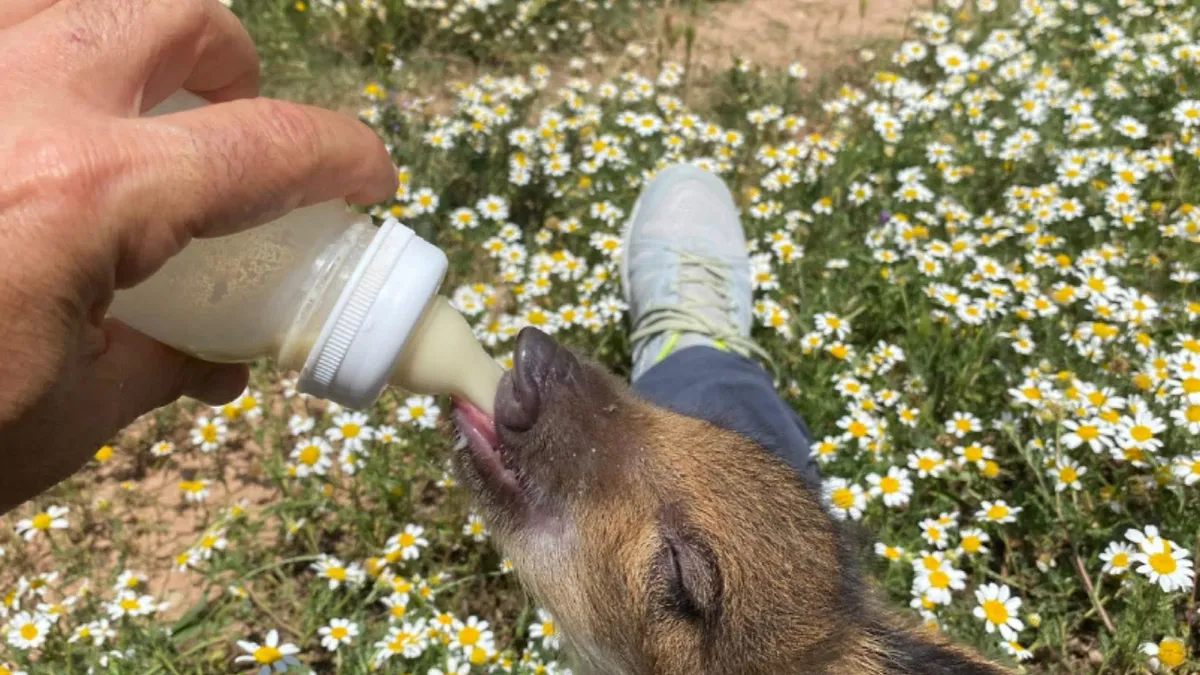
Animal adoption and sponsorship: alternative to buying pets
Buying a pet is not the only option. Discover how animal adoption and sponsorship are responsible alternatives that teach children values and help animals in need.
-
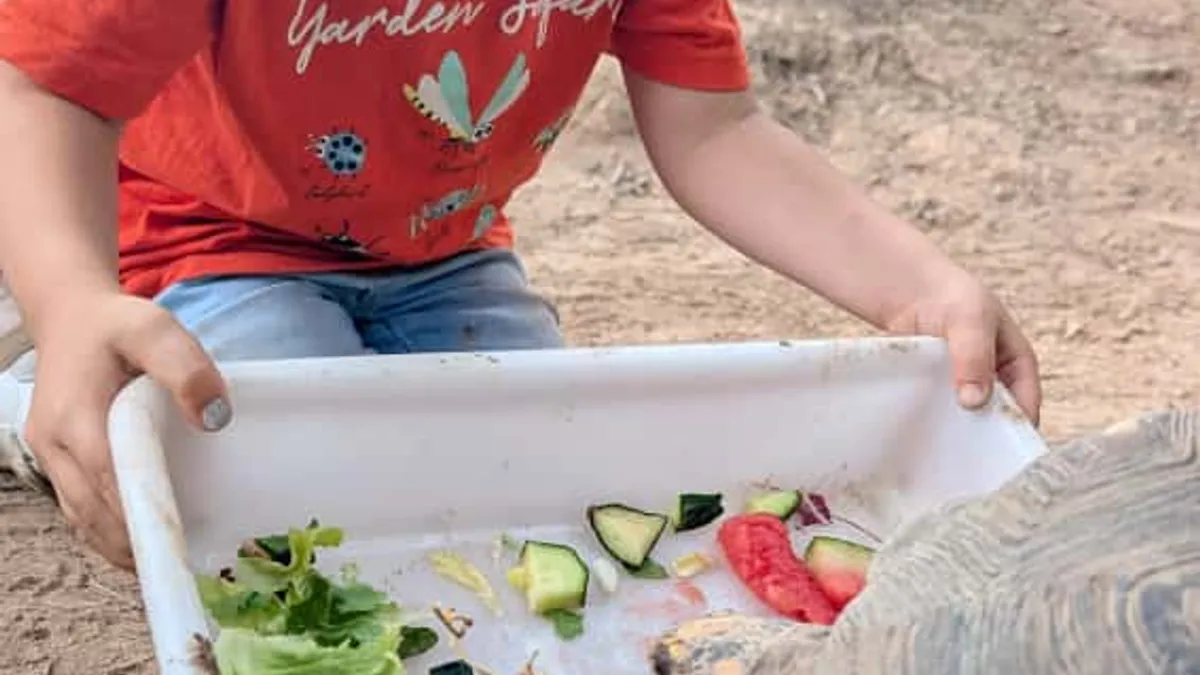
Buying tortoises: they live 50 years and grow huge, no one warns you
Before buying a tortoise, did you know it can live over 100 years and weigh up to 40 kg? Discover the reality of tortoises as pets and CITES regulations in Spain.