Published on 7 min read By Granja Natura
Zero-waste backpack for a nature outing: pack without plastics
Pack a sustainable backpack for your nature outing: reusable items, no single-use plastics and everything you need. A practical guide for families with children visiting Catalonia.
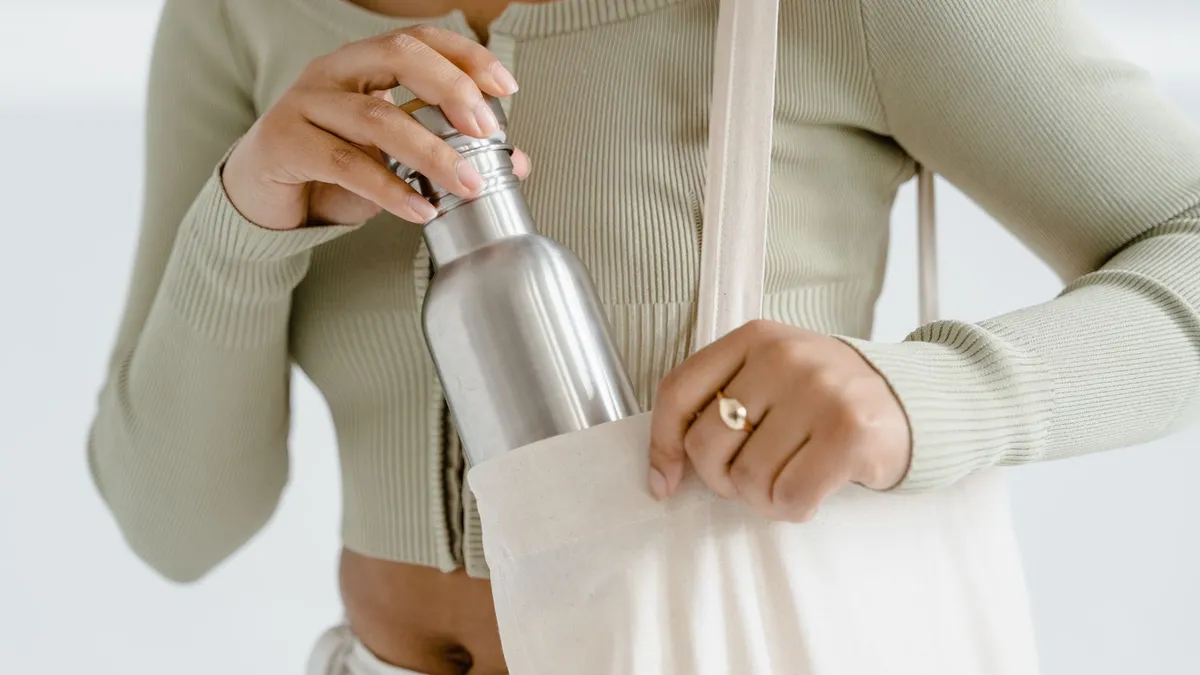
Heading out into nature should be an act of connection and respect for the environment. Yet too often our excursions leave a trail of rubbish behind: plastic bottles, aluminium containers, bags, cling film, paper towels… Every year, natural areas across Catalonia accumulate a great deal of abandoned litter, most of it single-use plastic.
At Granja Natura (Navàs, Barcelona province), we promote responsible and sustainable nature tourism. That is why we have put together this practical guide for packing a zero-waste backpack that has everything you need for your outing, without generating any unnecessary rubbish.
Why single-use plastics are a problem in nature
Impact on wildlife
Plastic litter in the countryside kills animals:
- Ingestion: Birds, tortoises, hedgehogs and other animals mistake plastics for food. Seabirds and turtles are documented ingesting plastic fragments, with serious consequences for their health
- Entanglement: Animals become trapped in netting, can-ring holders or plastic bags
- Poisoning: Plastics release toxic substances that contaminate soil and water
- Microplastics: Plastic pieces fragment into microscopic particles that enter the food chain
At Granja Natura we explain to visitors how waste affects animals. It is one of the lessons that has the greatest impact on children, and on adults.
Environmental impact
- A plastic bottle takes 450 years to decompose
- A plastic cup takes 75 years
- A plastic bag takes 150 years
- A paper napkin takes 3 months (but we use so many!)
- Aluminium foil can take up to 400 years
A visible problem in natural areas
- Forest and beach clean-up campaigns collect large amounts of plastic every year
- Most of that waste is single-use plastic
- Much of it fragments into microplastics that end up in the soil, the water and the food chain
The zero-waste backpack: complete checklist
Hydration
| Instead of… | Bring… | Why |
|---|---|---|
| Plastic water bottles | Reusable bottle (stainless steel or glass) | Lasts years, keeps temperature, zero waste |
| Juice cartons | Bottle with cold-brew tea or fresh juice in a reusable bottle | Healthier and packaging-free |
| Plastic cups | Collapsible silicone cup or drink straight from the bottle | Takes up almost no space |
Tip: Double-walled stainless-steel bottles keep water cold for hours, perfect for summer hikes. An investment of EUR 15-25 that lasts a decade.
Food
| Instead of… | Bring… | Why |
|---|---|---|
| Cling film | Beeswax wraps | Reusable, biodegradable, keep food fresh |
| Aluminium foil | Stainless-steel lunch box | Lasts forever, easy to clean |
| Plastic sandwich bags | Fabric bag with waterproof lining | Machine-washable |
| Plastic tupperware | Steel or glass food container | More durable, BPA-free |
| Plastic cutlery | Reusable cutlery (bamboo, steel or wood) | Sets with cloth pouch from EUR 5 |
Easy recipes to pack without packaging:
- Sandwich wrapped in a beeswax wrap
- Whole fruit (banana, apple, tangerine, nature’s own packaging!)
- Nuts in a small glass jar
- Homemade biscuits or energy bars in a lunch box
Cleaning and hygiene
| Instead of… | Bring… | Why |
|---|---|---|
| Wet wipes | Cloth flannel + small water bottle | Wet wipes contain plastic and are not biodegradable |
| Paper napkins | Cloth napkin | Washable and lasts years |
| Paper tissues | Cloth handkerchief | Classic and functional |
| Sunscreen in a plastic tube | Sunscreen in a metal tin or solid bar | Less packaging, same protection |
| Liquid soap in a tube | Natural solid soap in a travel case | Zero packaging |
Other essentials
- Large fabric bag: To take ALL your rubbish home (including organic waste)
- Small fabric bag: To pick up litter you find along the trail (bonus eco-karma!)
- Paper map or downloaded route on your phone: Avoids printing guides
- Binoculars: To observe wildlife without getting too close (reusable by definition!)
- Notebook and pencil: For the children, drawing what they see, taking nature notes
Preparing the backpack with kids: an educational activity
Preparing a zero-waste backpack can be a family activity every bit as educational as the outing itself:
Step 1: Explain the why
Before packing anything, spend 10 minutes explaining to the children why it matters not to bring plastics into nature:
- Show them age-appropriate photos of animals affected by litter
- Explain how long a piece of plastic takes to disappear
- Try a little experiment: place a banana peel and a piece of plastic in the garden and check a few weeks later what has happened
Step 2: Take an inventory
With the children, review what you would normally bring on a hike and find the sustainable alternative:
- “Plastic water bottles? No, we’re taking our steel bottles!”
- “Sandwich in cling film? No, we’ll wrap it in the beeswax cloth!”
- “Shop-bought biscuits in plastic wrappers? No, we made our own and put them in the lunch box!”
Step 3: Personalise the items
Children are far more engaged when the items feel like theirs:
- Let them choose the colour of their reusable bottle
- Put stickers or their name on the lunch box
- Draw a design on the fabric bag
Step 4: The “Zero Waste” challenge
Set a family challenge: “Come home without leaving a single piece of litter!”. Every family member is responsible for their own waste. At the end of the outing, review together: did you generate any rubbish? How could you do even better next time?
On guided tours you see families arriving with backpacks full of plastic and others who bring everything in reusables. The difference is often that someone has shown them how, which is why it is worth explaining at home before you set off.
The 5 Rs rule
For a zero-waste outing, apply the 5 Rs:
1. Refuse
Say “no” to what you do not need:
- Do not buy bottled water: fill your bottle at the tap
- Do not accept plastic bags: bring your own fabric one
- Do not buy individually wrapped snacks
2. Reduce
Bring only what you will actually need:
- Calculate the right portions (less food = less waste)
- Do not pack “just in case” items, plan ahead
3. Reuse
Everything you bring should be reusable:
- Lunch box, bottle, cutlery, cloth napkins
- The backpack itself, which works for every outing
4. Recycle
If some waste is unavoidable:
- Sort it properly (organic, packaging, paper)
- Take it home and recycle it
5. Rot (compost)
Organic waste can be composted:
- Fruit peel, food scraps
- If you have a home composter, perfect
- If not, use the organic-waste bin
The perfect backpack for visiting Granja Natura
If you are coming for the guided visit, here is the ideal backpack:
Essentials:
- Reusable water bottle filled at home
- Sandwich in a beeswax wrap or lunch box (for a picnic brunch)
- Reusable cutlery (if you are bringing food)
- Cloth napkin
- Bag for your rubbish
Recommended:
- Hat and sunscreen (in sustainable packaging)
- Camera (instead of your phone, for a proper screen detox)
- Nature journal for the children
- Binoculars for birdwatching
No need to bring:
- Single-use plastic water bottles (bring your own reusable one filled at home)
- Wet wipes (cloth flannel + water)
- Individually wrapped food
Beyond the backpack: sustainable habits for everyday life
The zero-waste backpack is a first step towards a more sustainable lifestyle:
- Buy in bulk: Fruit, vegetables, pulses, cereals, without packaging
- Bring fabric bags when you shop
- Use reusable bottles in your daily routine too
- Buy solid hygiene products: Shampoo, soap, deodorant bars
- Avoid single-use products: Disposable razors, straws, single-use tableware
Every backpack counts
You do not have to be perfect. You do not have to eliminate 100 % of plastics overnight. What matters is starting. Every reusable bottle that replaces a plastic one, every cloth napkin that replaces a hundred paper ones, every lunch box that replaces cling film… is a small step that multiplies its effect when thousands of families do the same.
At Granja Natura (Navàs, Barcelona province), just one hour from Barcelona, we promote a respectful and sustainable way of enjoying nature. Come and visit us with your zero-waste backpack and show your children that enjoying nature and protecting it go hand in hand.
Book your visit to Granja Natura and bring your zero-waste backpack!
Frequently asked questions
Why is it important not to bring single-use plastics into nature?
Single-use plastics take hundreds of years to break down, fragment into microplastics that contaminate soil and water, and cause the death of thousands of animals that ingest them or become entangled. They also create visual pollution and degrade the very natural spaces we want to enjoy.
What do I need to prepare a zero-waste backpack?
The essentials are: a reusable water bottle, a lunch box or food container, reusable cutlery, a cloth napkin, a fabric bag for organic waste, beeswax wraps for sandwiches, and a reusable bag to take all your rubbish home.
How can I get the children involved in preparing a sustainable backpack?
Make it a game: let each child prepare their own zero-waste backpack with their bottle, napkin and lunch box. You can paint or personalise reusable items together. Set a family challenge, 'let's come home with zero waste!', and celebrate after each outing.
Where can I buy reusable items for nature outings?
At bulk and zero-waste shops (available in most Catalan towns), outdoor-sports retailers, local markets and online sustainable-product platforms. Many items you already have at home: a glass jar works as a food container, a kitchen towel doubles as a napkin, and a glass or steel bottle replaces plastic ones.
What should I do with waste generated during a hike?
The golden rule is: everything you bring in, you take out. Carry a reusable bag for all waste (including organic items like fruit peel). At home, separate it for recycling. If you spot other people's litter on the trail, pick it up if you can, the forest will thank you.
Related articles
-
Screen detox: nature activities for kids that replace screen time
More and more children spend too much time in front of screens. Discover how nature activities and educational farm visits help families enjoy a healthy digital detox.
-
10 benefits of farm school visits for children
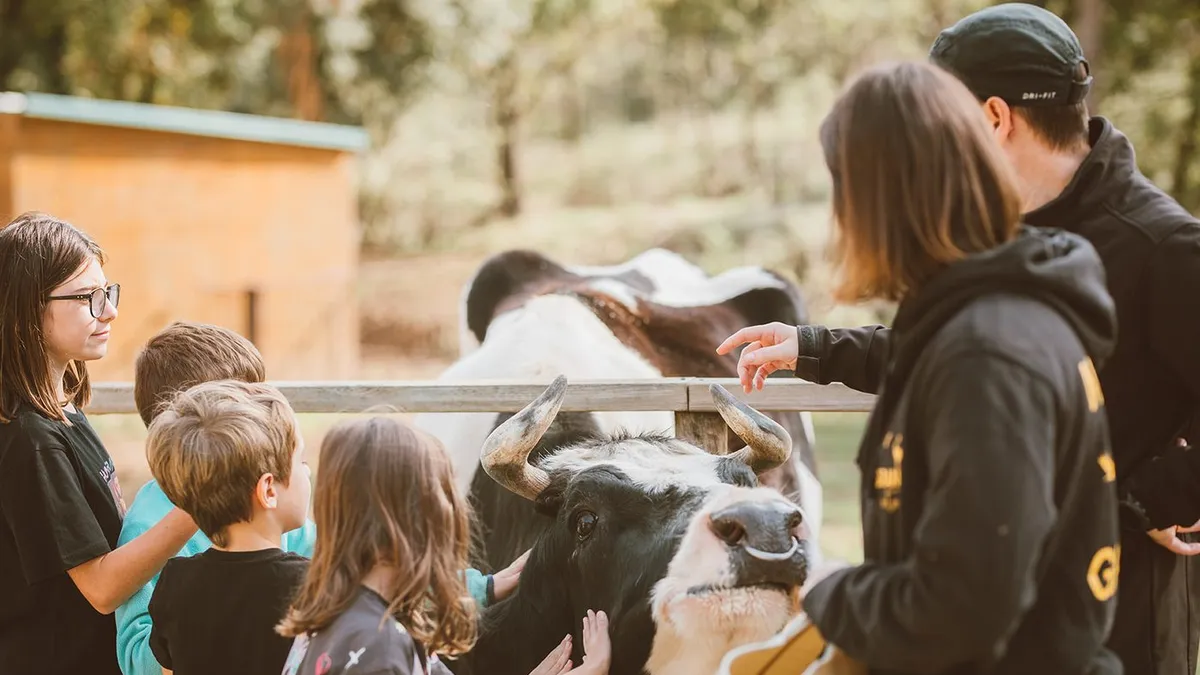
Discover why educational farm visits are one of the best activities for children. From animal contact to environmental education, farm schools near Barcelona offer unforgettable experiences.