Published on 7 min read By Granja Natura
Environmental education for kids: 10 nature activities that work
Discover 10 environmental education activities for kids aged 3 to 12 with proven benefits: animal contact, gardening, creative recycling and more. A practical guide for families and schools.
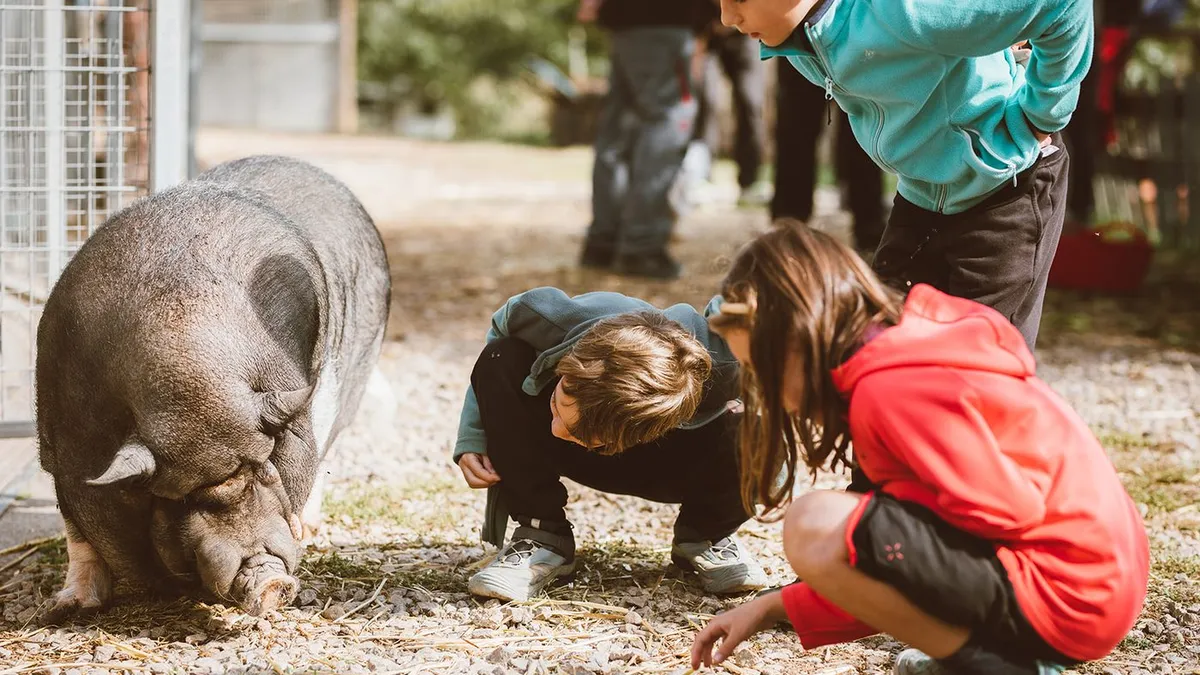
Environmental education for children is far more than teaching them to recycle. It is a process that transforms how kids understand the natural world, develop empathy towards living beings and take responsibility for their surroundings. According to UNESCO, environmental education is one of the most effective tools for building sustainable societies in the long term.
At Granja Natura (CAN, Centre d’Apropament a la Natura) in Navàs, Barcelona, we design environmental education programmes for schools and families. Every season, many families and schools visit the centre and experience first-hand how direct contact with nature changes how children see the world.
Why environmental education is essential from childhood
The first 12 years of life are critical for establishing a person’s relationship with the environment. Reviews of educational research compiled by Stanford University and the NAAEE conclude that students who follow environmental education programmes improve their learning outcomes, motivation and civic attitudes compared with peers without such training.
But the benefits go beyond grades. A study published in Scientific Reports (White et al., 2019) links spending at least 2 hours a week in nature with greater wellbeing and better self-reported health. Regular contact with natural settings has been associated with:
- Less stress and childhood anxiety
- Improved concentration and attention span
- A stronger immune system
- Greater creativity and problem-solving ability
- Lower risk of myopia thanks to more time in natural light
When to start: an age-by-age guide
Environmental education has no minimum age, but activities must be matched to each stage of cognitive development.
Ages 2 to 4: sensory exploration
At this age, children learn by touching, smelling and observing. Ideal activities include:
- Handling animals under supervision (rabbits, chickens, small goats)
- Playing with soil, water and sand in natural settings
- Listening to nature sounds: birdsong, wind, running water
- Collecting leaves, stones and sticks to build collections
At Granja Natura, the programme for 3-year-olds includes a sensory trail where the youngest visitors touch, feed and observe farm animals with specialised instructors.
Ages 5 to 7: understanding cycles
At this stage, children grasp cause-and-effect relationships. Recommended activities:
- Planting seeds and tracking growth over time
- Sorting waste: organic, paper, plastic, glass
- Observing the water cycle with simple experiments
- Identifying local species: trees, birds, insects
- Caring for an animal (responsibility of feeding and watering)
Ages 8 to 12: critical thinking and action
Children in this age group can understand complex environmental problems and propose solutions:
- Analysing the family’s ecological footprint
- Designing a school or community garden
- Joining forest or beach clean-ups
- Researching endangered species in their region
- Creating awareness campaigns in their surroundings
10 environmental education activities for kids
1. Visit an educational farm
Educational farms are the ideal space to connect theory and practice. Children do not just see animals, they understand where food comes from, how living beings are cared for, and how humans relate to nature.
At Granja Natura, the guided visit includes animal feeding, explanations of native species and hands-on workshops with over 30 animal species.
2. Urban or school garden
Growing food teaches children patience, responsibility and the value of consistent effort. Children who take part in school gardens tend to show more interest in vegetables and healthy eating, because they understand where food comes from.
Getting started is simple: a pot, soil, lettuce or tomato seeds, and 10 minutes of daily care.
3. Creative recycling workshop
Turning waste into useful or artistic objects teaches children that materials have value beyond their first use. Practical ideas:
- Plastic bottles → hanging planters
- Cardboard → insect houses
- Bottle caps → mosaics and board games
- Tin cans → musical instruments
4. Species identification trail
Heading into the woods or park with a field guide and a notebook turns a walk into a scientific expedition. Children learn to observe, classify and record their findings.
Catalonia is home to more than 600 vertebrate species and thousands of invertebrates and plants. Starting in the local neighbourhood or nearest park is enough to spark curiosity.
5. Pollinator insect observation
Bees, butterflies and beetles are essential for food production. Some 75% of crops depend on animal pollination. Observing them with a magnifying glass and recording species raises children’s awareness of biodiversity.
6. Building nest boxes and insect hotels
A construction project that combines craft and biology. Nest boxes attract insect-eating birds that control pests naturally. Insect hotels provide shelter for solitary pollinators.
Materials needed: untreated wood, bamboo canes, pine cones and a little glue. Cost: under €5.
7. Composting workshop
Turning organic waste into compost teaches children the cycle of matter. In 8-12 weeks, they watch fruit and vegetable scraps transform into fertile soil. It also cuts household waste by 30%.
8. Tracking and footprint game
Learning to read the forest: identifying animal prints, droppings, tree marks and mud trails. This activity turns children into nature detectives and connects them with local wildlife, without needing to spot the animals directly.
9. Home-made weather station
Building a rain gauge, a daily-reading thermometer and a wind indicator teaches climatology concepts and builds habits of systematic observation. After 4 weeks of data, children can already identify weather patterns.
10. Space clean-up and adoption project
Adopting a stretch of river, a path or a park area requires regular commitment. Children visit their adopted space once a month, collect litter, record changes and present results. This activity fosters civic responsibility and a sense of belonging.
Choosing activities by age and context
| Age | Ideal activities | Recommended duration | Format |
|---|---|---|---|
| 2-4 | Educational farm, sensory exploration, water play | 30-60 min | Family |
| 5-7 | Garden, creative recycling, species identification | 1-2 h | Family or school |
| 8-10 | Composting, nest boxes, weather station | 2-3 h | School or after-school |
| 10-12 | Space clean-ups, footprint analysis, campaigns | 3-4 h | School or community |
The role of schools in environmental education
Catalonia’s primary curriculum includes cross-cutting environmental competencies, but practical application varies enormously between schools. Schools that combine curricular content with regular trips to natural spaces achieve the best outcomes.
Schools that combine curricular content with regular nature programmes tend to see better student motivation and classroom relationships.
Granja Natura works with schools across Catalonia throughout the year, offering curriculum-aligned programmes covering natural sciences, values education and scientific competency. School trips, held Monday to Friday and adapted from pre-school (P3) to upper secondary and vocational training, include a teaching dossier and educational worksheets for educators.
Tips for families: making environmental education part of daily life
You do not need to plan major outings every week. Small daily habits accumulate enormous impact:
- 15 minutes of nature per day: walk in the park, water plants, watch the sky
- Involve children in environmental decisions: choosing products with less packaging, switching off lights
- Ask instead of explain: “Why do you think this plant grows here?” activates critical thinking
- Document discoveries: a nature journal with drawings and observations
- Visit educational centres: farms, science museums, botanical gardens, once a month
Environmental education as an investment in the future
Every environmental education experience a child has during their formative years plants a seed that germinates throughout their life. Research in environmental psychology shows that adults who had regular contact with nature as children tend to adopt more sustainable habits throughout their lives.
At Granja Natura, every visit is an opportunity for children to discover that nature is not a distant holiday destination but the environment that sustains them every day. If you are looking for an environmental education experience for your children or students, discover the family guided visit or book a school trip on the website.
Frequently asked questions
At what age can children start environmental education?
Environmental education can begin from age 2-3 with basic sensory activities: touching leaves, listening to birds, smelling flowers. From age 4-5, children understand concepts such as recycling, the water cycle and animal care. At Granja Natura, educational programmes start from age 3 with activities adapted to each developmental stage.
What are the benefits of environmental education for children?
The benefits are extensive and backed by research: better learning outcomes, reduced stress and anxiety, development of empathy and responsibility, better motor skills, a stronger immune system and increased creativity. Granja Natura sees these changes first-hand in the children who visit the centre with their families and schools.
What environmental education activities can be done at home?
At home you can create a small container garden, set up a bird feeder on the window, make crafts from recycled materials, sort waste with the children, observe insects in the garden or park, and read stories about nature and animals. Consistency is key: 15-20 minutes of daily nature contact already produces measurable benefits.
How can schools integrate environmental education into the curriculum?
Schools can integrate environmental education through regular trips to centres such as Granja Natura (Navàs, Barcelona), school gardens, recycling projects, playground weather stations and partnerships with environmental organisations. Catalonia's primary curriculum already includes environmental competencies, and trips to educational farms count as assessable complementary activities.
How much does an environmental education activity for children cost in Catalonia?
Costs vary by format. Activities at home or in the park are free. School trips to Granja Natura cost €10.50 per student for pre-school, €11.50 for primary and €12.50 for secondary and upper secondary, with accompanying teachers free and booking made online on the website. Municipal environmental workshops are usually free or low cost. The investment in environmental education is minimal compared to the long-term benefits.
Related articles
-
Screen detox: nature activities for kids that replace screen time
More and more children spend too much time in front of screens. Discover how nature activities and educational farm visits help families enjoy a healthy digital detox.
-
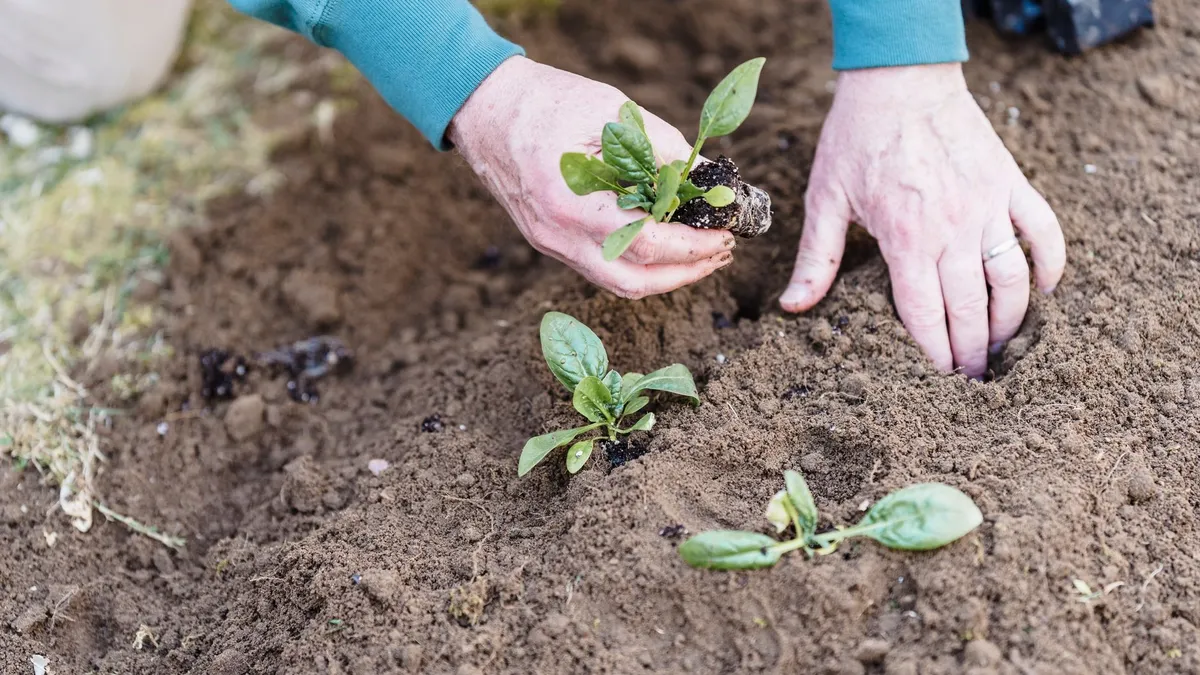
How to Create an Urban Garden with Kids: A Step-by-Step Family Guide
A practical 7-step guide to setting up an urban garden with kids at home. Includes age-appropriate plants, a sowing calendar, and tips from Granja Natura.