
Published on 5 min read By Granja Natura
How to Create an Urban Garden with Kids: A Step-by-Step Family Guide
A practical 7-step guide to setting up an urban garden with kids at home. Includes age-appropriate plants, a sowing calendar, and tips from Granja Natura.
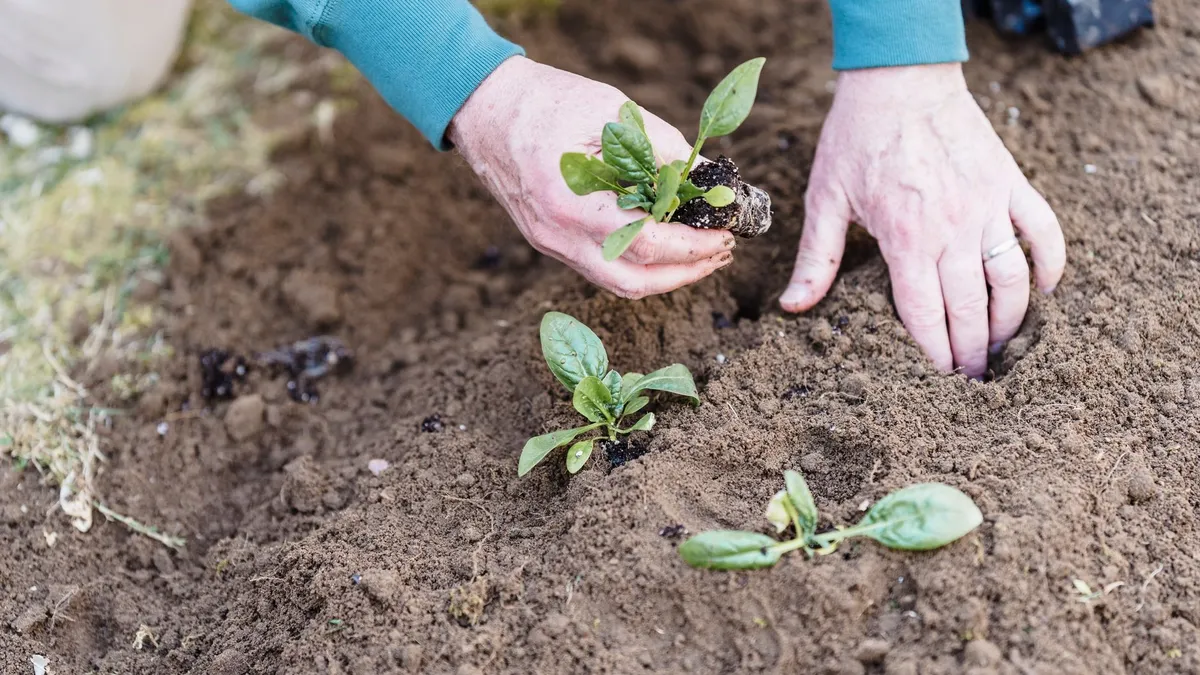
Creating an urban garden with children is one of the most complete educational activities a family can do at home. At Granja Natura, a nature education centre in Navàs (Bages), one hour from Barcelona, we have spent years bringing families closer to nature and animals, and we have seen first-hand how a small garden transforms children’s relationship with food and the environment.
This guide walks you through the entire process step by step, from choosing the right spot to your first harvest. You do not need prior experience or a large garden: a sunny balcony is enough.
Step 1: Choose the Right Spot
The fundamental requirement is sunlight. Vegetables need between 4 and 6 hours of direct sun per day. Observe your balcony, terrace, or windowsill for 2-3 days and identify the area with the most hours of sun.
If you live in a flat, south and south-east facing orientations work best. A north-facing balcony can work for aromatic herbs and lettuce, but not for tomatoes or peppers.
Practical tip: Make the children your “sun detectives”. Give them a clock and ask them to note down the hours when sunlight hits the balcony. This gets them involved from the very start.
Step 2: Pick Your Containers
You do not need to buy expensive materials. These options work perfectly:
- Planters 40 cm deep: ideal for most vegetables
- Raised growing table (80-100 cm high): perfect so children can work standing up without straining their backs
- Recycled wooden crates: free and easy to find (ask at local greengrocers)
- Cut plastic bottles: for individual aromatic herbs
The most important thing is that containers have drainage holes in the base. Standing water kills roots within 48-72 hours.
Step 3: Prepare the Growing Medium
Use a mix of:
- 60% quality universal substrate
- 30% mature compost
- 10% perlite or vermiculite (improves drainage)
This combination provides nutrients for the first 4-6 weeks without the need for additional fertiliser. A 50-litre bag of substrate costs between 5 and 8 euros and is enough for 3-4 planters.
Activity with children: Let them touch and mix the substrate with their hands. Touching soil activates the sensory system, and studies from the University of Bristol have shown that the bacterium Mycobacterium vaccae, found in soil, stimulates serotonin production.
Step 4: Choose Plants by Age Group
Not all plants are equally suited for working with children. Here is a tested selection:
For children aged 2-4
- Radishes: germinate in 5 days, harvested in 25 days. Quick and highly visual results.
- Lettuce: grows fast and leaves can be picked without uprooting the plant.
- Sunflowers: spectacular for watching growth (up to 2 metres in 8 weeks).
For children aged 5-8
- Cherry tomatoes: need stakes and tying, perfect for learning responsibility.
- Strawberries: the sweet reward keeps interest alive for weeks.
- Runner beans: climb up canes and grow very quickly (germinate in 7 days).
For children aged 9-12
- Peppers: longer cycle (90 days), teaches patience.
- Courgettes: abundant production, ideal for cooking together as a family.
- Mixed aromatic herbs: basil, parsley, coriander, mint.
Step 5: Sowing and Planting
April in the Barcelona and Bages area is ideal for sowing most vegetables. Here is the recommended sowing calendar:
| Plant | Sow | Harvest | Days to harvest |
|---|---|---|---|
| Radish | March-May | April-June | 25-30 |
| Lettuce | March-June | May-August | 45-60 |
| Cherry tomato | April-May | July-September | 70-90 |
| Strawberry | March-April | May-July | 60-90 |
| Basil | April-May | June-October | 30-40 |
Sowing technique with children: Make a hole with your finger (2-3 times the size of the seed), place the seed, cover with soil, and water gently. Children aged 3 can do this perfectly with supervision.
Step 6: Establish a Care Routine
Consistency is the key to success. Create a simple routine:
- Every morning (5 minutes): water if the soil feels dry to the touch. Children can check by pushing a finger 2 cm into the soil.
- Every week (15 minutes): remove weeds, check for pests, measure growth.
- Every 2 weeks: feed with organic liquid fertiliser diluted in watering water.
The garden journal: Give children a notebook where they draw the plants each week and record the height with a ruler. This single activity combines science, maths, and art in one exercise.
Step 7: Harvest and Celebrate
The harvest is the reward for the entire process. Some ideas to make it special:
- Cook together: prepare a salad with the lettuce and radishes from your garden
- Share the surplus: if you have too much produce, give some to neighbours or family
- Document the journey: create a photo album from sowing to harvest
- Plan the next season: decide together what you want to plant next
Educational Benefits of Urban Gardening
Gardening with children goes far beyond producing food. According to the Royal Horticultural Society, children who take part in gardening projects show:
- Stronger interest and better results in natural sciences
- Greater concentration and patience
- Reduced stress and anxiety (contact with soil releases endorphins)
- A healthier relationship with food (children eat more vegetables when they have grown them)
Take the Experience Further
If you want your children to connect even more deeply with nature, at Granja Natura we offer a family guided visit on weekends and public holidays to discover over 30 animal species, plus the afternoon workshop, where families fly birds of prey and get up close to invertebrates. We are located in Navàs, just 1 hour from Barcelona.
Visit us and discover how nature transforms the way children learn. Explore the family guided visit and the afternoon workshop, and when you are ready, book your visit online.
Frequently asked questions
What are the easiest plants to grow with children?
The easiest plants to start with are lettuce, radishes, strawberries, and aromatic herbs like basil or mint. They germinate in 5-14 days and give quick results, which keeps children motivated. At Granja Natura we recommend starting with radishes because they can be harvested in just 25 days.
How much space do I need for a balcony vegetable garden?
A space of 1 m² is enough to get started. You can use planters 40 cm deep, raised growing tables, or even recycled wooden crates. The main requirement is that the spot receives between 4 and 6 hours of direct sunlight per day.
At what age can children participate in gardening?
From age 2, children can water with a small watering can and touch the soil. From age 3, they can sow large seeds like broad beans or courgettes. At Granja Natura in Navàs, the family guided visit is suitable for all ages and the afternoon workshop is recommended from age 5.
When is the best time of year to start a garden with kids?
Spring (March to May) is the ideal time because mild temperatures favour germination and children can see results before summer. April is especially good for sowing cherry tomatoes, peppers, and cucumbers.
How do you keep children interested in the garden long term?
The key is giving them concrete responsibilities: watering every day, measuring growth weekly, and deciding what to cook with the harvest. A garden journal with drawings and photos also works very well to maintain motivation during the 4-6 weeks until the first harvest.
Related articles
-

Zero-waste backpack for a nature outing: pack without plastics
Pack a sustainable backpack for your nature outing: reusable items, no single-use plastics and everything you need. A practical guide for families with children visiting Catalonia.
-

Screen detox: nature activities for kids that replace screen time
More and more children spend too much time in front of screens. Discover how nature activities and educational farm visits help families enjoy a healthy digital detox.