
Published on 5 min read By Granja Natura
The school garden in spring: hands-on activities for kids
A guide with 8 school garden activities for spring with students from ages 3 to 12. Includes a sowing calendar, curricular links, and practical tips from Granja Natura.
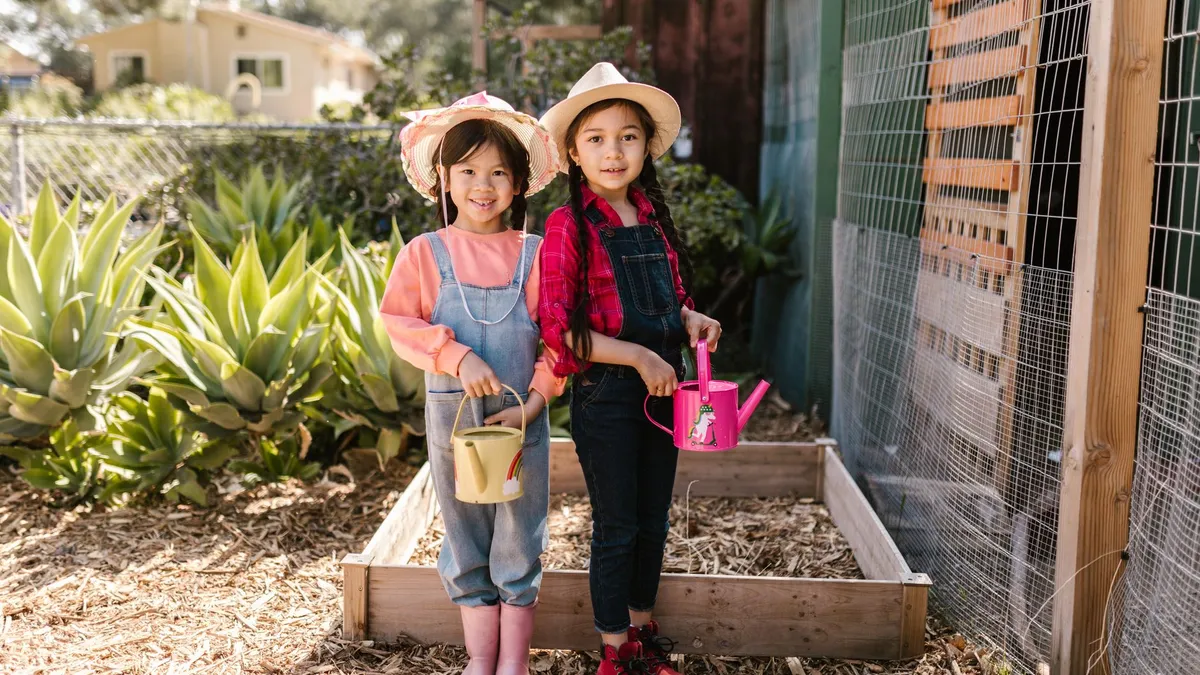
The school garden is one of the most powerful pedagogical tools that exists: it connects children with natural cycles, reinforces curricular content, and builds habits of responsibility that last a lifetime. At Granja Natura, the educational nature centre in Navàs (Barcelona), we welcome students from across Catalonia every spring to discover nature up close.
This guide brings together 8 practical activities to make the most of the school garden during spring, adapted by age and linked to the primary school curriculum in Catalonia.
Why spring is the best time for the school garden
Spring in Catalonia offers ideal conditions for the school garden:
- Temperatures of 15-25 °C: perfect for germination of most vegetables
- 12-14 hours of daily sunlight: plants grow quickly and results are visible within weeks
- Coincides with the third term: students can follow the entire cycle from sowing to harvesting before the summer holidays
- Seed availability: March to May is the main sowing season in the Mediterranean basin
At Granja Natura, we observe that school groups visiting the centre in spring connect especially well, precisely because everything is in full growth and the animals are more active.
School sowing calendar: what to plant each month
March
- Broad beans and peas: large seeds, easy for small hands to handle. Germinate in 7-10 days.
- Lettuce and spinach: fast-growing, ideal for seeing results in 3-4 weeks.
- Aromatic herbs: basil, parsley, and coriander can be sown in pots inside the classroom.
April
- Cherry tomatoes: a student favourite. Require a protected seedbed or indoor sowing.
- Green beans and courgettes: large seeds that children aged 3-5 can sow independently.
- Radishes: the motivation champion, from seed to plate in 25 days.
May
- Cucumbers and peppers: transplant the March-April seedlings to the final bed.
- Strawberries: planted from runners and produce fruit the same season.
- Edible flowers: nasturtiums and calendulas attract pollinators and brighten up the garden.
8 practical activities for the school garden
1. Sensory planting (ages 3-5)
Students touch, smell, and observe seeds of different sizes and textures. They plant broad beans in transparent cups with damp cotton to watch the roots grow. Competency: knowledge of the natural environment.
2. The garden journal (ages 6-8)
Each student keeps a notebook where they draw and describe their plant’s progress weekly. They measure the height with a ruler and record observations. Competencies: language, mathematics (measurement), natural sciences.
3. Variables experiment (ages 8-10)
They plant the same seed under different conditions: with light / without light, with water / without water, with fertiliser / without fertiliser. They record results in a table and draw conclusions. Competencies: scientific method, mathematics (statistics), natural sciences.
4. School composter (all ages)
They set up a composter with snack waste (fruit peel, eggshells). Each week, a responsible team turns the compost and checks humidity. Competencies: environmental education, responsibility, cooperative work.
5. Pollinator identification (ages 8-12)
They observe and photograph insects visiting the garden: bees, butterflies, hoverflies. They create a visual guide with the species identified. Competencies: natural sciences (biodiversity), art (illustration), ICT (photography).
6. Garden cooking (ages 10-12)
With the garden harvest, students prepare simple recipes: lettuce and radish salad, basil pesto, cherry tomato skewers. Competencies: healthy eating, mathematics (proportions), teamwork.
7. School market (ages 10-12)
Students organise a sale of garden products for families. They calculate costs, set prices, and manage profits to reinvest in the garden. Competencies: mathematics (economics), entrepreneurship, oral communication.
8. Trip to an educational farm
They complement the school garden with a visit to Granja Natura in Navàs. Students compare their small garden with the centre’s natural surroundings, meet the animals, and take part in the afternoon workshops of the educational programme. Book a school trip.
How to set up a school garden for under €200
A large budget is not necessary to get started. Basic materials for a 10 m² garden:
| Material | Approximate cost |
|---|---|
| 4 raised beds (recycled pallets) | €40-80 |
| Organic substrate (200 litres) | €30-50 |
| Seasonal seed pack | €15-25 |
| Children’s tools (4 trowels, 4 rakes) | €20-30 |
| Children’s watering cans (4 units) | €12-20 |
| Bird netting | €10-15 |
| Total | €127-220 |
Many local councils in Catalonia subsidise school gardens through Agenda 21 School programmes. Check with your local council before purchasing materials.
Curricular benefits of the school garden
The Catalan Department of Education recognises the school garden as a cross-curricular project, integrable into several areas of the curriculum. The benefits that teachers and families observe are mostly qualitative:
- Meaningful learning: students grasp natural science concepts better when they see them applied in practice.
- Responsibility and cooperation: caring for a shared crop builds habits of consistency and teamwork.
- Playground behaviour improves when students share responsibility for the crops.
- Eating habits: growing vegetables sparks curiosity to try them and eat more of them.
It is what we see with the school groups that visit the centre each year: direct contact with nature reinforces what is learned in the classroom.
Common mistakes and how to avoid them
- Sowing too late: in Catalonia, if you haven’t sown by the end of April, many species won’t have time to mature before summer. Start in March.
- Forgetting weekend watering: install a drip irrigation system with a timer (€20-40) or assign volunteer families.
- Planting slow-growing species: children need quick results. Radishes (25 days), lettuce (30 days), and rocket (20 days) are the ideal choices for maintaining motivation.
- Not linking the garden to the curriculum: if the garden is an isolated activity, it loses impact. Integrate it into maths (measurements), language (journal), and science (experiments).
Granja Natura: school trips from ages 3 to 18
Granja Natura, in Navàs (Barcelona), welcomes school groups Monday to Friday (10:00-16:00) with a programme that combines a guided visit, animal interaction, and afternoon workshops. Trips are adapted from ages 3 to 18, including secondary and vocational levels, and include a pedagogical report and educational worksheets for staff.
Booking is done online with at least two weeks’ notice. Check school activities and book your visit.
Frequently asked questions
What plants can you grow in a school garden in spring?
In spring (March-May), the best plants for a school garden are cherry tomatoes, lettuce, radishes, broad beans, green beans, cucumbers, courgettes, and aromatic herbs such as basil, parsley, and mint. Radishes are ideal for young students as they germinate in 5 days and are ready to harvest in 25 days. At Granja Natura in Navàs (Barcelona), we always recommend starting with fast-growing species to keep students motivated.
How can you integrate a school garden into the primary curriculum?
A school garden links to multiple curriculum areas: natural sciences (plant life cycles, photosynthesis), mathematics (measurements, growth statistics), language (garden journal, specific vocabulary), art (botanical illustration), and values education (responsibility, teamwork). The Catalan Department of Education recognises the school garden as a cross-curricular project that counts as an assessable complementary activity.
How much space does a functional school garden need?
A functional school garden can start with as little as 4-6 m² in the playground, using 2-4 raised beds. If space is limited, vertical planters or large pots work equally well. The main requirement is a minimum of 4 hours of direct sunlight per day.
What is the budget for setting up a school garden?
A basic 10 m² school garden costs between €150 and €300, including raised beds (recycled wood or pallets), organic substrate, seasonal seeds, and adapted children's tools. Many local councils in Catalonia offer grants for school gardens through Agenda 21 School programmes, so it is worth checking before buying materials.
Can you do school garden activities without an outdoor space?
Yes. Many urban schools in Barcelona and the surrounding area use planters in the playground, window pots, or vertical garden systems. Aromatic herbs, lettuce, and strawberries grow perfectly in containers 20-30 cm deep. And if you want to bring nature into the classroom without leaving the school, Granja Natura offers Els Animals Viatgers: monitors and between 8 and 10 animals travel to the school to run sessions of about one hour per group, in the classroom, the gym, or the playground (/en/els-animals-viatgers/).
Related articles
-
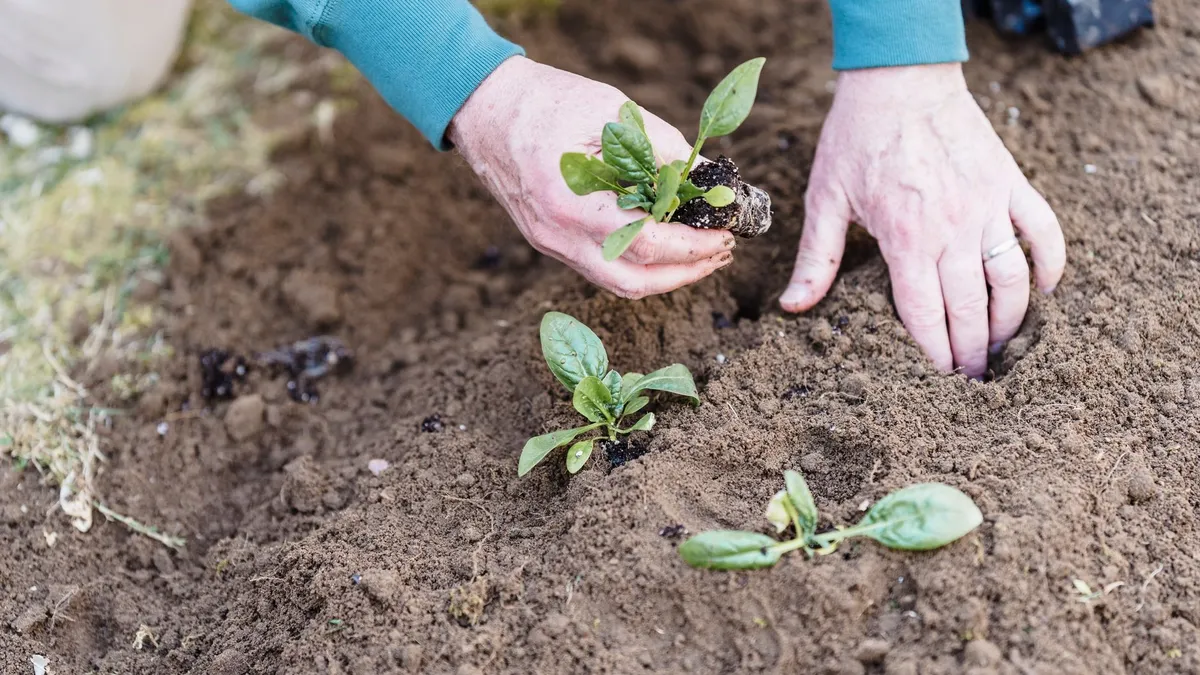
How to Create an Urban Garden with Kids: A Step-by-Step Family Guide
A practical 7-step guide to setting up an urban garden with kids at home. Includes age-appropriate plants, a sowing calendar, and tips from Granja Natura.
-
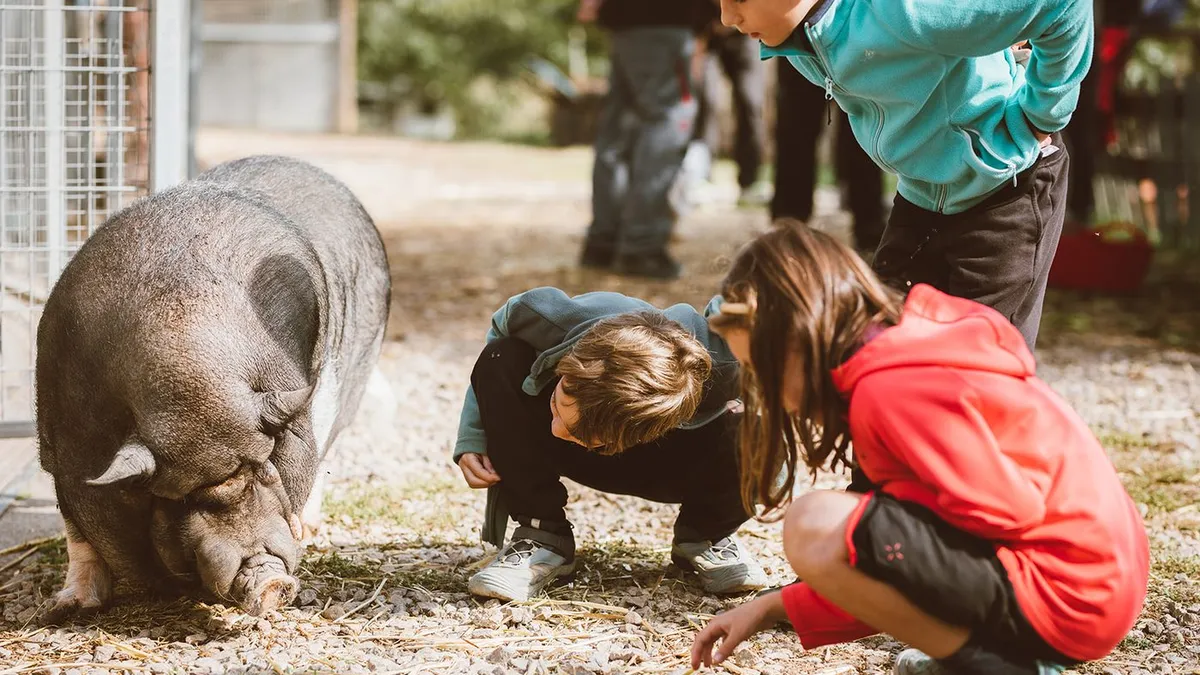
Environmental education for kids: 10 nature activities that work
Discover 10 environmental education activities for kids aged 3 to 12 with proven benefits: animal contact, gardening, creative recycling and more. A practical guide for families and schools.
-
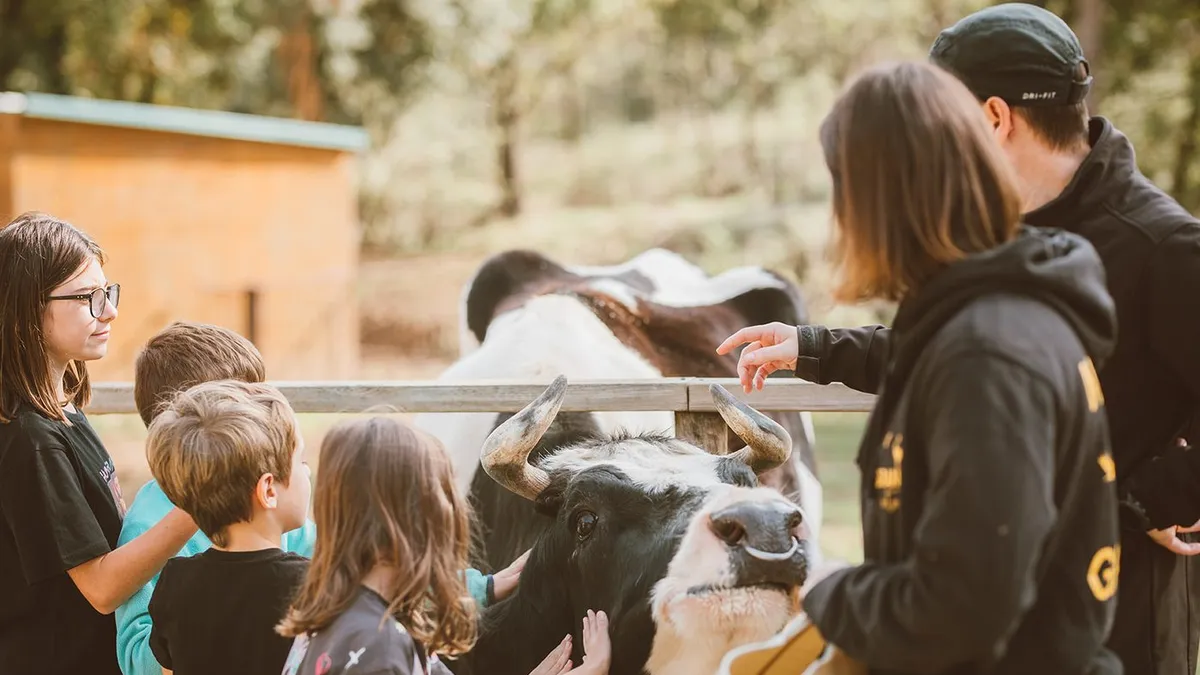
10 benefits of farm school visits for children
Discover why educational farm visits are one of the best activities for children. From animal contact to environmental education, farm schools near Barcelona offer unforgettable experiences.