Published on 8 min read By Granja Natura
What to do if you find an injured animal: protocol in Catalonia
Found an injured animal in the countryside or in town? Learn the correct protocol in Catalonia: what to do, who to call, and how to act without endangering the animal or yourself.
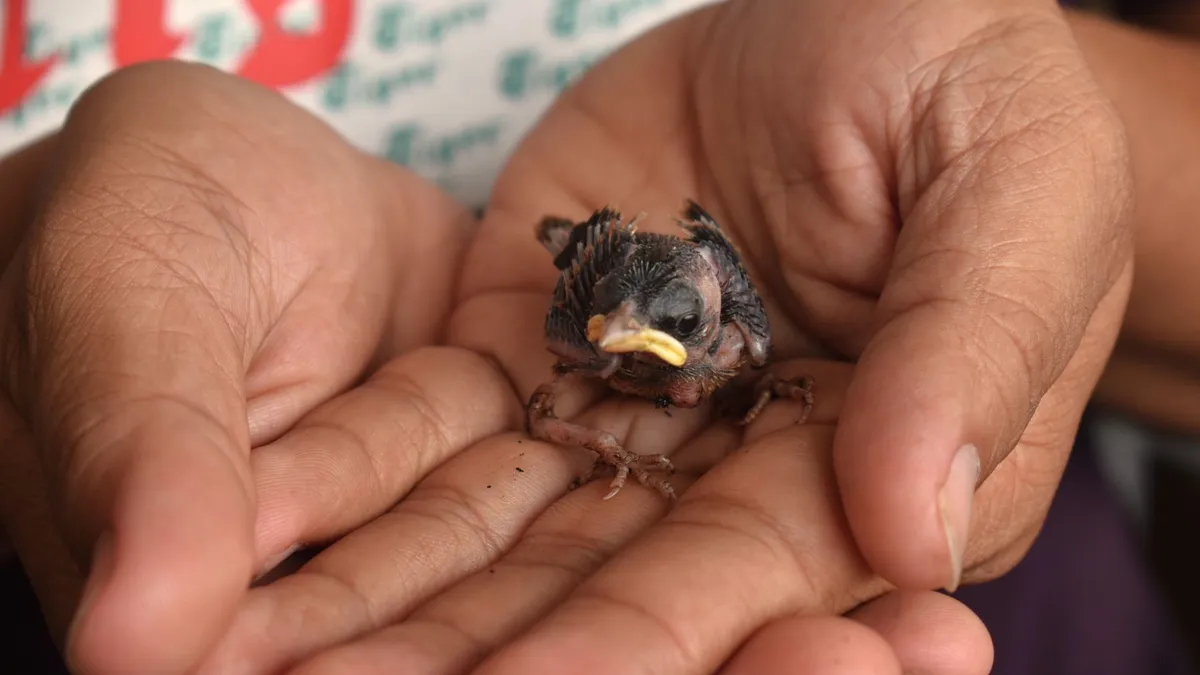
Finding an injured animal can be a shocking and confusing experience. The natural first instinct is to help, but acting incorrectly can make things worse for the animal and put you at risk. At Granja Natura (Navas, Barcelona province) visitors often ask us during their visit what to do when they find an injured animal. That is why we have prepared this guide with the correct protocol in Catalonia.
Step 1: Stop, observe and assess
Before doing anything, stop and observe the animal from a safe distance (at least 5-10 metres). Very often, what looks like an animal in trouble is, in fact, completely normal behaviour:
Situations that are NOT emergencies
- Young bird on the ground: In June-July, fledglings leave the nest before they can fly well. The parents continue feeding them on the ground. Do not touch it, if you put it back in the nest, it will hop out again
- Fawn hidden in the grass: Female roe deer leave their young concealed while they go to feed. Do not pick it up, the mother will return (read more in what to do when you find a baby deer)
- Hedgehog curled up by day: Can be normal in hot weather. If it looks healthy and uninjured, leave it
- Snake on the path: Basking in the sun. It is not injured, simply thermoregulating. Leave it alone
- Bat on the ground by day: May be resting. If it is still there at night, it may need help
Situations that ARE emergencies
- Visible blood or open wounds
- Broken limb (drooping wing, twisted leg)
- The animal does not flee when you approach (a sign of extreme weakness)
- Flies or larvae on the animal (indicates it has been injured for some time)
- Trembling or uncoordinated movements
- Window strike (birds), may have cranial trauma
- Road strike (animal near a road with injuries)
- Poisoning (erratic movements, foam at the mouth)
Step 2: Call the professionals
If you have determined that the animal needs help, the most important step is to call the professionals:
Emergency phone numbers for wildlife in Catalonia
| Service | Phone | When to call |
|---|---|---|
| 112 (Emergency services) | 112 | Always available, 24 h. Your first contact: ask for the Rural Agents |
| Rural Agents | 93 561 70 00 | Wildlife experts. They tell you how to act in each case |
| SEPRONA (Civil Guard environmental unit) | 062 | Suspected abuse or illegal hunting |
What to say when you call
Provide:
- Exact location: GPS coordinates if possible, or a landmark
- Type of animal: If you know it (raptor, wild boar, tortoise…)
- Apparent condition: Visible injuries, behaviour, whether it is moving
- Approximate size: So the right equipment can be sent
- Circumstances: Where you found it, whether there is a road hazard
Step 3: How to act while help is on its way
What you SHOULD do
- Keep your distance: Do not approach more than necessary
- Reduce stress: Speak softly, avoid sudden movements
- Shield from sun and rain: If possible, provide shade (umbrella, branch) without touching the animal
- Control dogs and cats: If you have a pet with you, keep it well away from the injured animal
- Stay nearby: If you can, remain close by to guide rescuers to the animal
What you should NEVER do
- Do not give food or water: An animal in shock can aspirate liquid and drown. Each species has different dietary needs, the wrong food can be fatal
- Do not try to treat it yourself: Without veterinary knowledge, you may aggravate the injuries
- Do not wrap it in cotton wool: Cotton fibres stick to wounds. Use cloth or kitchen paper
- Do not put it in a plastic bag: It could suffocate from lack of ventilation
- Do not pour water into a bird’s beak: It can enter the lungs and cause aspiration pneumonia
- Do not place it next to a heater: A sudden temperature change can cause shock
One of the most common mistakes is trying to feed a fallen chick with milk or bread. Birds do not drink milk and bread provides no nutrients. If you find a chick, the best thing you can do is call the professionals.
Step 4: When and how to pick up an injured animal
In some cases, you may need to pick up the animal and transport it yourself to a CRFS or vet. This is ONLY appropriate if:
- The animal is small (bird, hedgehog, tortoise, small mammal)
- You can handle it without danger to yourself
- Rescue services cannot arrive within a reasonable time
- The animal is in immediate danger (on a road, cat nearby)
Safe collection protocol
- Protect yourself: Wear thick gloves or use a blanket. Injured animals may bite, scratch or sting out of fear
- Cover it: Place a cloth or towel over the animal. Darkness calms it
- Hold firmly but gently: Support the body, not the limbs
- Place in a box: Cardboard, with ventilation holes, lined with kitchen paper (not cotton or wool)
- Darkness and quiet: Cover the box. The animal needs calm
- Appropriate temperature: Neither too cold nor too hot
- Immediate transport: Take it to the nearest CRFS or vet as quickly as possible
Special precautions by animal type
Birds of prey (eagles, owls, falcons)
- Danger: They have extremely sharp talons and beaks. They can cause serious injuries
- Protection: Use thick leather gloves or a folded blanket
- Handling: Cover the head with a cloth (reduces stress). Hold the feet together
- Transport: Large box with holes, lined with paper
Wild boar and roe deer
- Do NOT handle them: They are powerful animals that can cause serious injuries
- Call 112: Specialist personnel and an adapted vehicle are needed
- Distance: Keep at least 10 metres away
Hedgehogs
- Easy to pick up: Use gardening gloves and place in a box
- Note: If you find a hedgehog active during the day and it is small (under 500 g in autumn), it probably needs help
- Do not give it milk: They are lactose-intolerant. Plain water only if hydration is needed
Tortoises
- Safe handling: Pick it up by the shell with both hands
- Note: Tortoises bite. Freshwater turtles can be aggressive
- If it is native: It may be a protected species. Inform the CRFS of the find
Snakes
- Do NOT handle it unless you can identify the species. The asp viper (Vipera aspis) is venomous
- Call the Rural Agents: They are trained to handle snakes
- Photograph: If you can, take a photo from a safe distance to help with identification
Wildlife Recovery Centres (CRFS) in Catalonia
The CRFS are public centres run by the Catalan regional government (Generalitat de Catalunya) that receive, rehabilitate and release injured or sick wild animals:
CRFS Torreferrussa (Santa Perpetua de Mogoda)
- Location: Santa Perpetua de Mogoda, in the Valles Occidental
- Role: One of Catalonia’s main wildlife recovery centres, run by the regional government (Generalitat)
- Contact and hours: The phone number and animal reception hours can be checked on the official Generalitat wildlife-centres page. In any case, your first contact should always be 112 or the Rural Agents
Other reference centres
- Aiguamolls de l’Emporda Wildlife Centre (Girona province)
- Vallcalent Wildlife Centre (Lleida)
- Maresme Wild Fauna Hospital (CRAM Foundation, for marine fauna)
Most common causes of wildlife injury in Catalonia
Every year, Catalan CRFS centres attend thousands of animals. The most common admission causes include road strikes, collisions with windows and buildings, electrocution on power lines, poisoning and falls from the nest. Some of the animals admitted recover and are released back into the wild, while others arrive with injuries that are too severe. Among the species that most often reach the centres are swallows, swifts, serins, hedgehogs, Mediterranean tortoises and little owls.
How we contribute to wildlife protection
At our centre in Navas we contribute to wildlife protection in several ways:
- Rescued animals: Many of the animals we look after have been rescued, and they show up close the care that each species needs
- Education: During guided visits, we explain the correct protocol when you find an injured animal
- Awareness: We teach children and adults to respect wild animals and their habitat
“The best help you can give an injured animal is to call the professionals. The well-intentioned desire to nurse it at home usually ends badly.”
Granja Natura educational team
Prevention is better than cure
Many of the injuries suffered by wild animals can be prevented:
- Drive carefully in forested areas, especially at night
- Stick anti-collision decals on large windows to prevent bird strikes
- Do not litter in the forest, plastics and cans cause injuries
- Keep your dogs and cats under control in natural areas
- Do not use rat poison, raptors eat poisoned rodents and suffer secondary poisoning
Learn more about wildlife at Granja Natura
Visit Granja Natura and learn from our guides about Catalonia’s wild animals, how to protect them and how to act if you find one that needs help. Because knowing is the first step towards protecting.
Book your visit to Granja Natura and help protect wildlife.
Frequently asked questions
Who do I call if I find an injured animal in Catalonia?
Call 112 (emergency services) or the Rural Agents on 93 561 70 00. They coordinate the rescue and transfer to the nearest Wildlife Recovery Centre (CRFS). If it is a domestic animal, contact the local police or the municipal animal-protection service.
Can I pick up an injured animal and take it to a vet?
If the animal is small (bird, hedgehog, tortoise, small mammal) and you can handle it safely, you may pick it up with gloves and take it to a vet or CRFS. For large animals (roe deer, wild boar, large raptor), do NOT attempt to pick it up: call the professionals. An injured animal can be dangerous.
Can I keep the injured animal at home to nurse it?
No. Under Catalan law, keeping wild animals at home is illegal. Injured animals need specialist veterinary care that cannot be provided domestically. Prolonged human contact also hinders their later release back into the wild.
How do I know if an animal is truly injured or just resting?
Signs of injury: visible blood, drooping wings (birds), difficulty walking, trembling, flies/larvae on the body, failure to flee when approached. Not injured: young bird on the ground learning to fly (normal in June), fawn hidden in grass (the mother will return), hedgehog curled up (defence mechanism).
What should I do if I find a road-struck animal?
If it is safe, move the animal off the road using a blanket or jacket. Do not endanger yourself or other drivers. Call 112 and give the exact location. If the animal is large (wild boar, roe deer), do not try to move it: signal the hazard and wait for emergency services.
Related articles
-
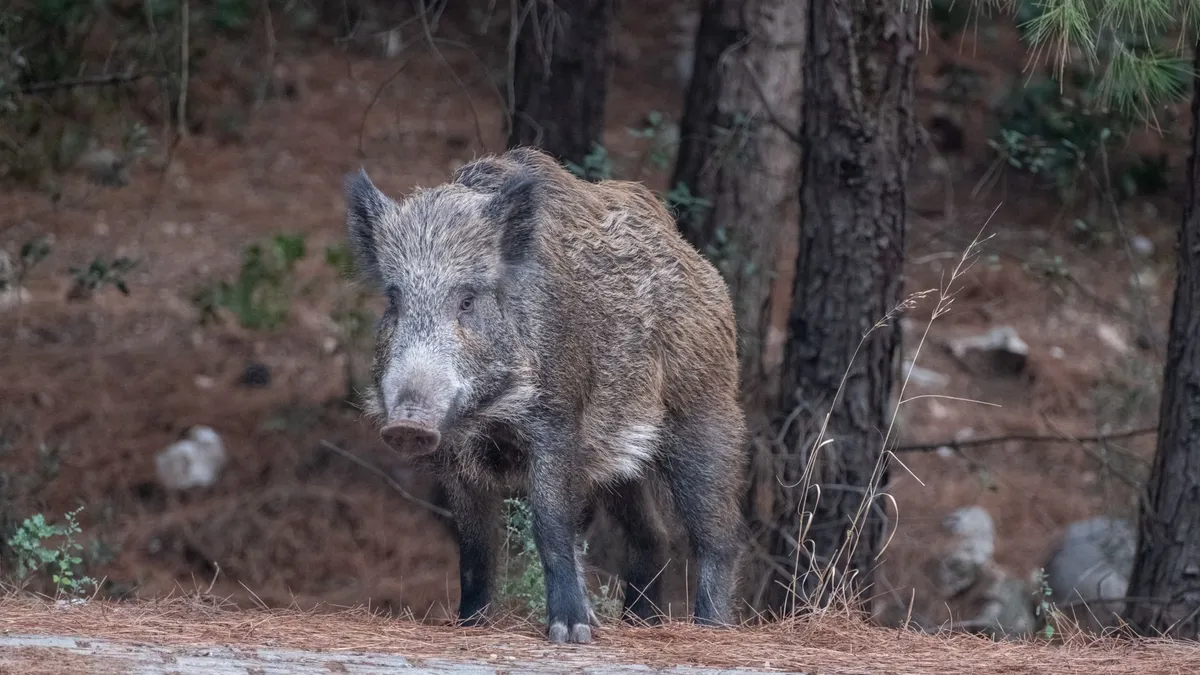
Mediterranean forest animals: complete guide to Catalonia's wildlife
Discover the animals living in Catalonia's Mediterranean forests: wild boars, roe deer, foxes, raptors and more. A complete guide with habitats, behaviour and fascinating facts.
-
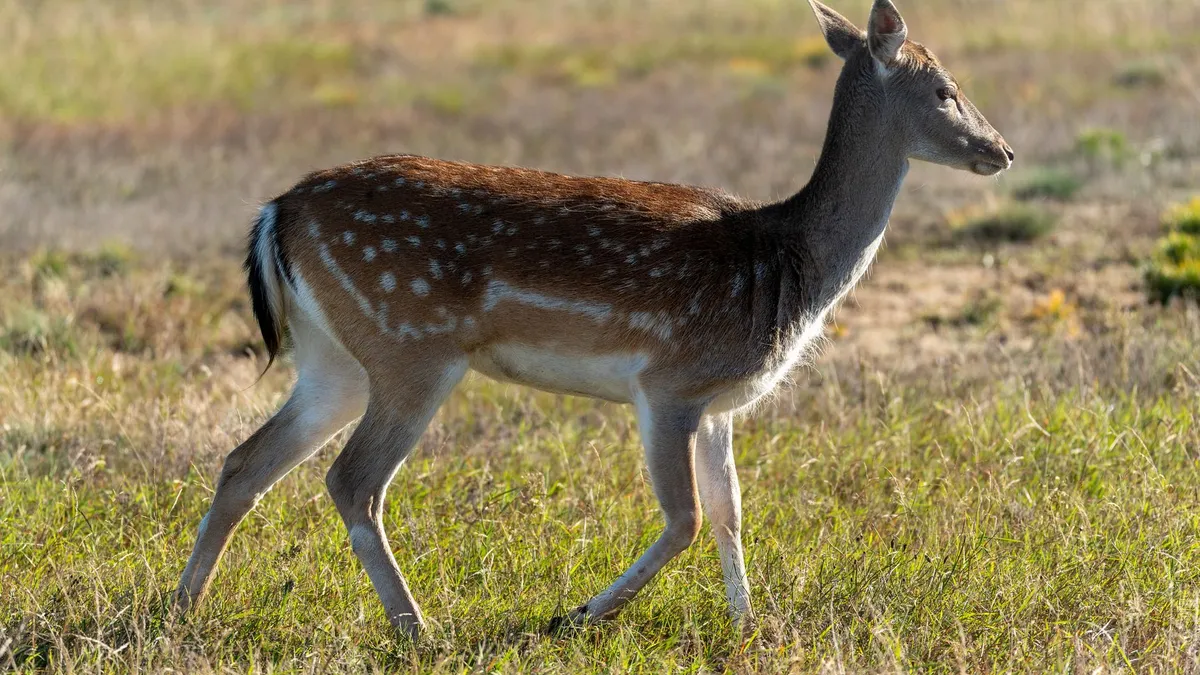
Found a baby deer or boar piglet? Don't touch it: guide
Finding a baby roe deer or wild boar piglet in the forest does not mean it has been abandoned. Learn when it is a real emergency and when the best thing to do is leave it alone.