Published on 7 min read By Granja Natura
Native animals in danger of extinction in Catalonia and Spain
From the Iberian lynx to the Pyrenean bearded vulture, discover native species in danger of extinction in Catalonia and Spain: threats, conservation programmes and how you can help.
The Iberian Peninsula is the most biodiverse territory in western Europe. Its position between the Atlantic and the Mediterranean, between Africa and Europe, has created a diversity of habitats that supports thousands of unique species. But this natural wealth is seriously threatened: Spain has over 900 species listed on the National Catalogue of Threatened Species, and Catalonia is home to a significant share of them.
At Granja Natura (Navas, Barcelona province), we believe that the first step towards protecting a species is getting to know it. That is why, during our guided visits, we dedicate time to explaining native wildlife, the threats it faces and what we can all do to help.
Iconic species in danger of extinction
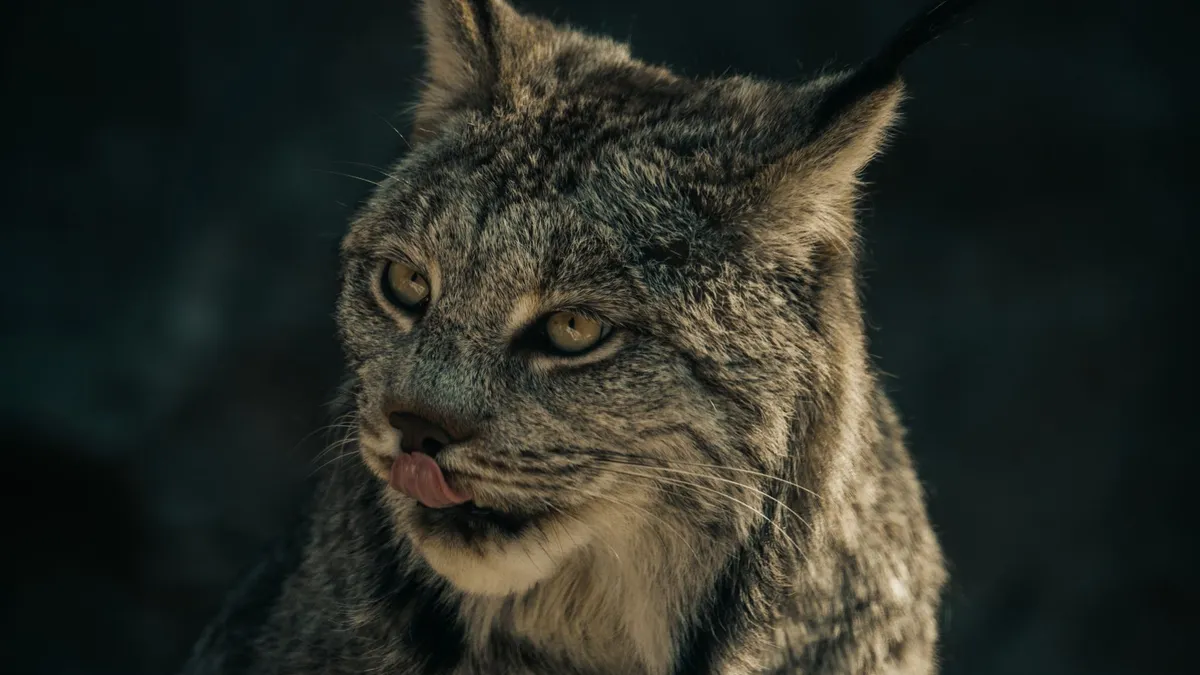
Iberian lynx (Lynx pardinus)
The Iberian lynx is the world’s most endangered wild cat and a symbol of conservation in Spain.
- IUCN status: Vulnerable (upgraded from “Critically Endangered” in 2024)
- Population: Over 2,000 individuals (2024), concentrated in Andalusia, Castilla-La Mancha, Extremadura and Portugal
- In Catalonia: Historically present but extinct since the mid-20th century. Reintroduction projects are under study
- Threats: Road kills (leading cause of death), habitat loss, decline in rabbit populations (its main prey), disease
- Conservation: The LIFE Iberlince programme has been an extraordinary success, from 94 individuals in 2002 to over 2,000 today
The Iberian lynx is one of the great conservation success stories in Europe. It proves that, with effort and resources, we can reverse a species’ path towards extinction.
Bearded vulture (Gypaetus barbatus)
The bearded vulture (known locally as trencalos, meaning “bone-breaker”) is one of Europe’s most spectacular raptors and a keystone species of the Catalan Pyrenees.
- IUCN status: Near Threatened (globally); Endangered in Spain
- Pyrenean population: Approximately 50-60 breeding pairs in Catalonia and Aragon
- Wingspan: Up to 2.8 metres, one of Europe’s largest birds
- Diet: A bone specialist! It drops bones from great heights onto rocks to crack them open and eat the marrow (hence the name)
- Threats: Poisoning (illegal use of poison for livestock protection), electrocution on power lines, disturbance at breeding sites, food scarcity
- Conservation: Captive-breeding programme and reintroduction in the Alps and Iberian mountain ranges
Brown bear (Ursus arctos)
The brown bear is Europe’s largest land mammal and a species with a growing presence in the Catalan Pyrenees.
- Status: Endangered in Spain
- Pyrenean population: Approximately 80 individuals (2025), mainly on the French side and in the Val d’Aran (a valley in north-west Catalonia)
- Cantabrian population: Around 370 individuals
- Threats: Road kills, poaching, habitat fragmentation, conflict with livestock farmers
- Fun fact: A brown bear can eat up to 20,000 berries a day when preparing for hibernation
- Social conflict: Coexistence with livestock farmers creates tensions, especially in the Aran Valley
Mediterranean tortoise (Testudo hermanni)
The Mediterranean tortoise is the only native land chelonian in Catalonia and one of its most threatened species.
- Status: Endangered in Catalonia
- Population: Fewer than 10,000 individuals, concentrated in the Albera Massif (Alt Emporda) and the Gavarres hills (Baix Emporda), both in north-eastern Catalonia
- Size: 15-20 cm shell, 1-3 kg
- Longevity: 50-100 years
- Threats: Forest fires (devastating: the great Albera fire of 1986 killed thousands of tortoises), illegal collection, road kills, habitat loss, competition from released exotic tortoises
- Conservation: The Albera Tortoise Breeding Centre (CRT) and population-reinforcement programmes
At Granja Natura you can see land tortoises up close and learn the differences between native and exotic species. Being able to tell them apart is fundamental to their protection.
Spanish imperial eagle (Aquila adalberti)
The Spanish imperial eagle is a raptor exclusive to the Iberian Peninsula.
- Status: Vulnerable
- Population: Around 800 pairs in Spain (2024), mainly in Castilla-La Mancha, Extremadura and Andalusia
- In Catalonia: Currently absent, but could recolonise in the future
- Wingspan: Up to 2.1 metres
- Threats: Electrocution on power lines (cause of 50 % of deaths), poisoning, rabbit decline
- Conservation: Installation of artificial nests and modification of power lines
Bonelli’s eagle (Aquila fasciata)
- Status: Vulnerable in Catalonia
- Population: Around 50-60 pairs in Catalonia
- Habitat: Cliffs and mountainous areas in the Priorat, Pallars and Garrigues
- Threats: Electrocution, disturbance at nesting sites, habitat loss
- Fun fact: One of the most agile raptors, capable of hunting rabbits and partridges in low-level flight
European mink (Mustela lutreola)
- Status: Critically Endangered
- Population: Fewer than 500 individuals in Spain (one of the largest populations in the world!)
- Habitat: Rivers and wetlands of northern Spain
- Threats: Competition from the American mink (invasive species), habitat loss, road kills
- Conservation: Captive-breeding programme and American mink removal
Mediterranean monk seal (Monachus monachus)
- Status: Critically Endangered
- Global population: Fewer than 700 individuals
- In Spain: Historically present along Mediterranean coasts and the Balearic Islands, now virtually gone
- Threats: Historical persecution, disturbance, loss of breeding caves, pollution
- Conservation: Protection programmes in Greece, Turkey and Mauritania. Occasional sightings in the Balearics are a cause for hope
Pyrenean desman (Galemys pyrenaicus)
One of Europe’s least-known and most unique mammals:
- Status: Vulnerable
- Habitat: Mountain streams and rivers of the Pyrenees
- Appearance: Resembles a large shrew with a mobile snout and webbed feet
- Threats: River pollution, flow alteration, invasive species (American crayfish)
- Fun fact: It is a living fossil, its lineage dates back 5 million years
Amphibians and reptiles in danger
Amphibians are the most threatened group of vertebrates worldwide:
- Montseny brook newt (Calotriton arnoldi): Endemic to the Montseny massif, discovered in 2005. Fewer than 1,500 individuals. Europe’s most endangered amphibian
- Spanish toothcarp (Aphanius iberus): A small fish of brackish Mediterranean waters. Endangered by the mosquitofish (invasive species)
- European pond turtle (Emys orbicularis): In decline due to competition from the red-eared slider
- Giant river mussel (Margaritifera auricularia): A freshwater bivalve, one of Europe’s most threatened species
The main threats
1. Habitat loss
Urbanisation, intensive agriculture and territorial fragmentation are the leading cause of biodiversity decline:
- Roads that sever biological corridors
- Housing developments that destroy natural areas
- Monoculture fields that eliminate plant diversity
2. Invasive species
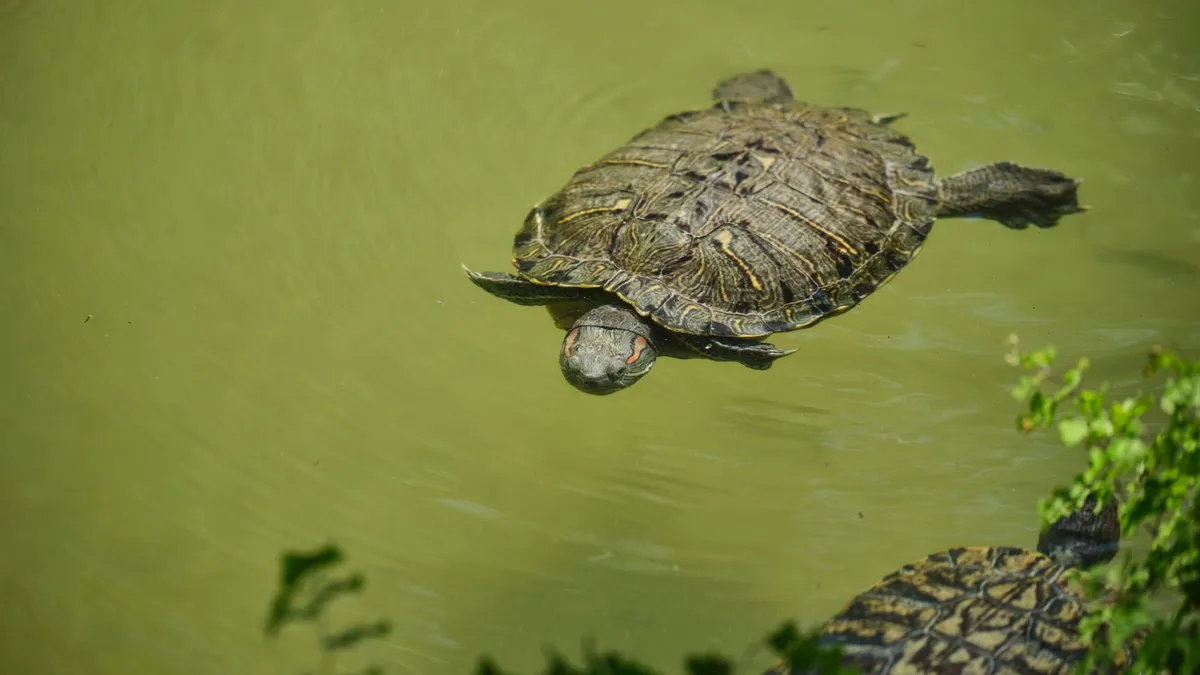
Invasive alien species displace native ones and disrupt ecosystems. In Catalonia, the problem is serious with the red-eared slider, American mink, monk parakeet and many others.
3. Climate change
Rising temperatures and falling rainfall directly affect:
- Water availability for amphibians and aquatic species
- Wildfire regimes (more frequent and intense)
- Mismatches between species and their food sources (plants flowering earlier, insects emerging at different times)
4. Pollution and poisoning
- Pesticide use: Affects insects (the base of the food chain), amphibians and raptors
- Illegal poisoning: The illegal use of poison to control predators kills raptors, vultures and lynxes
- Light pollution: Disrupts amphibian reproduction and migratory-bird behaviour
5. Road kills
Over 10 million animals are killed on Spanish roads every year. The roe deer, hedgehog, Bonelli’s eagle and Iberian lynx are among the worst-affected species.
What you can do
Everyday actions
- Drive carefully in forested areas, especially at dawn and dusk
- Do not litter in the countryside, plastics kill animals
- Do not buy exotic pets without legal documentation
- Reduce pesticide use in your garden
- Create natural refuges: A garden with native plants, a log pile for hedgehogs, a birdbath
Supporting actions
- Collaborate with organisations: SEO/BirdLife, WWF, DEPANA, Fundacio Territori i Paisatge
- Take part in volunteering and species censuses
- Report offences: If you witness poaching, poisoning or illegal trade, call SEPRONA (062)
- Educate yourself and others: Take your children to Granja Natura to learn about native wildlife
Citizen science
- Observation platforms: iNaturalist, eBird, Ornitho.cat
- Participatory censuses: Join bird, amphibian and butterfly censuses organised by Catalan conservation bodies
Discover native wildlife at Granja Natura
At Granja Natura (Navas, Barcelona province) we believe that knowing is the first step towards protecting. During our guided visits, we explain the importance of conserving native species, the threats they face and what we can do to help. With over 30 species, including native birds of prey, our centre is the perfect starting point for discovering and valuing the wildlife around us.
Every species lost is a piece of natural heritage that disappears for ever. Let us act now.
Book your visit to Granja Natura and discover the species we must protect.
Frequently asked questions
Which animals are in danger of extinction in Catalonia?
Among the most threatened species in Catalonia are the bearded vulture (Gypaetus barbatus), the Mediterranean tortoise (Testudo hermanni), the brown bear in the Pyrenees, the giant river mussel (Margaritifera auricularia), the Spanish toothcarp (Aphanius iberus) and Bonelli's eagle (Aquila fasciata). Many amphibian and reptile species are also in decline.
Why are so many species endangered in Spain?
Spain is the most biodiverse country in Europe owing to its geographical position and variety of climates. But this wealth is threatened by urbanisation, intensive agriculture, forest fires, climate change, invasive species, pollution and illegal wildlife trade.
Is the Iberian lynx still endangered?
The Iberian lynx has improved significantly thanks to the LIFE conservation programme: from 94 individuals in 2002 to over 2,000 in 2024. The IUCN reclassified it from 'Critically Endangered' to 'Vulnerable' in 2024. However, it still needs active protection because threats (road kills, habitat loss) persist.
How can I help protect endangered species?
You can contribute in many ways: respect natural areas and do not litter, drive carefully in forested zones, do not buy exotic pets without legal documentation, support conservation organisations, take part in environmental volunteering, and educate yourself and your children by visiting centres like Granja Natura.
What does Granja Natura do for species conservation?
At Granja Natura we contribute primarily through education: during our guided visits we explain to visitors which species are native, the threats they face and how to protect them. Sharing knowledge about local wildlife and raising awareness among families is our way of contributing to conservation.
Related articles
-
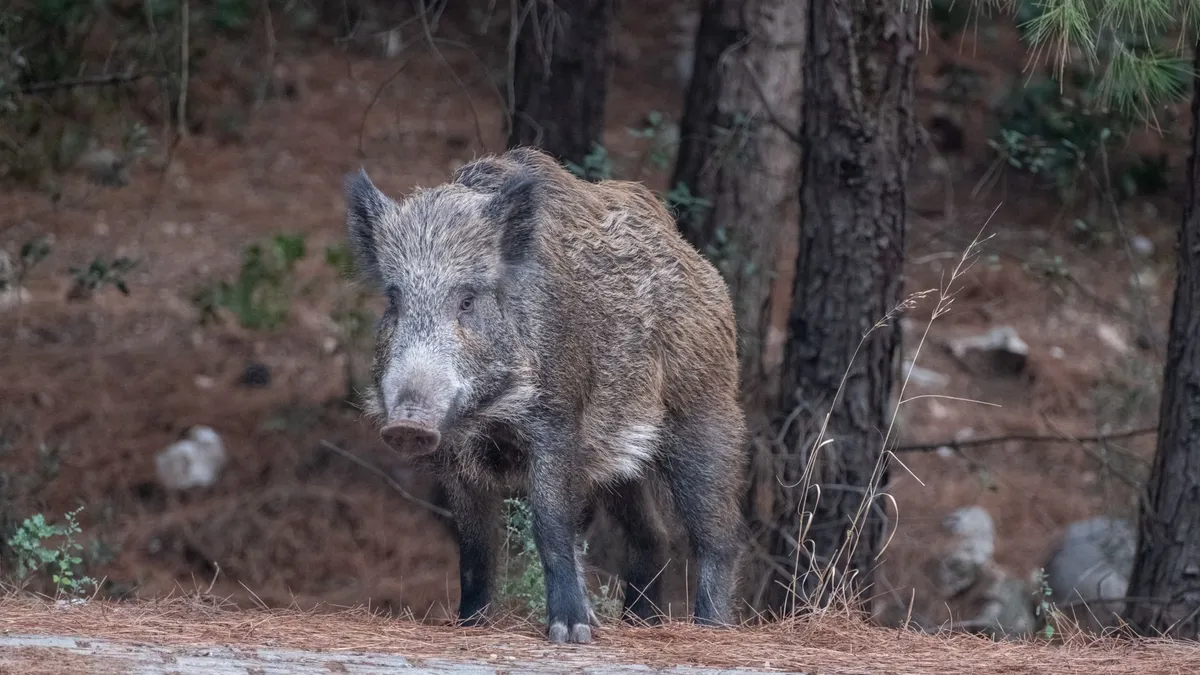
Mediterranean forest animals: complete guide to Catalonia's wildlife
Discover the animals living in Catalonia's Mediterranean forests: wild boars, roe deer, foxes, raptors and more. A complete guide with habitats, behaviour and fascinating facts.
-
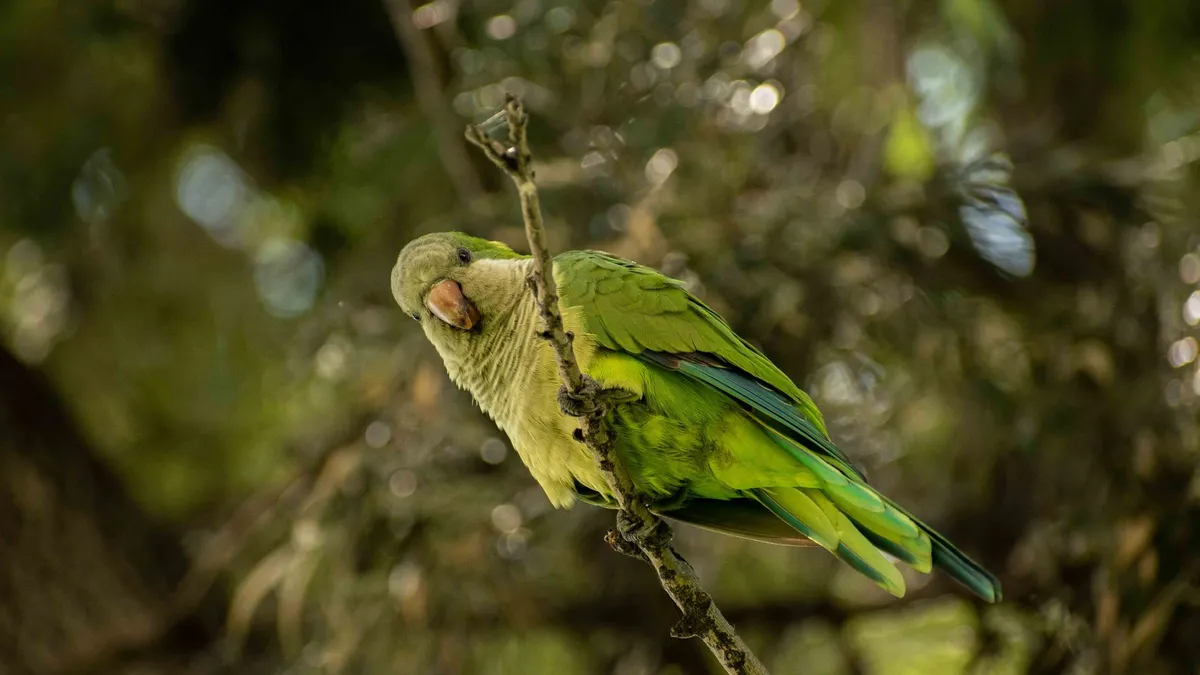
Never release exotic pets: ecological and legal consequences
Releasing a turtle, parrot or exotic fish into a river may seem kind, but it is illegal and causes severe ecological damage. Learn the real impact and the responsible alternatives.
-
Invasive species in Catalonia: animals threatening biodiversity
From the red-eared slider to the Asian hornet, invasive species cause millions of euros in damage across Catalonia. Learn about the main species, their impact and how we can stop them.