
Published on 5 min read By Granja Natura
Never release exotic pets: ecological and legal consequences
Releasing a turtle, parrot or exotic fish into a river may seem kind, but it is illegal and causes severe ecological damage. Learn the real impact and the responsible alternatives.
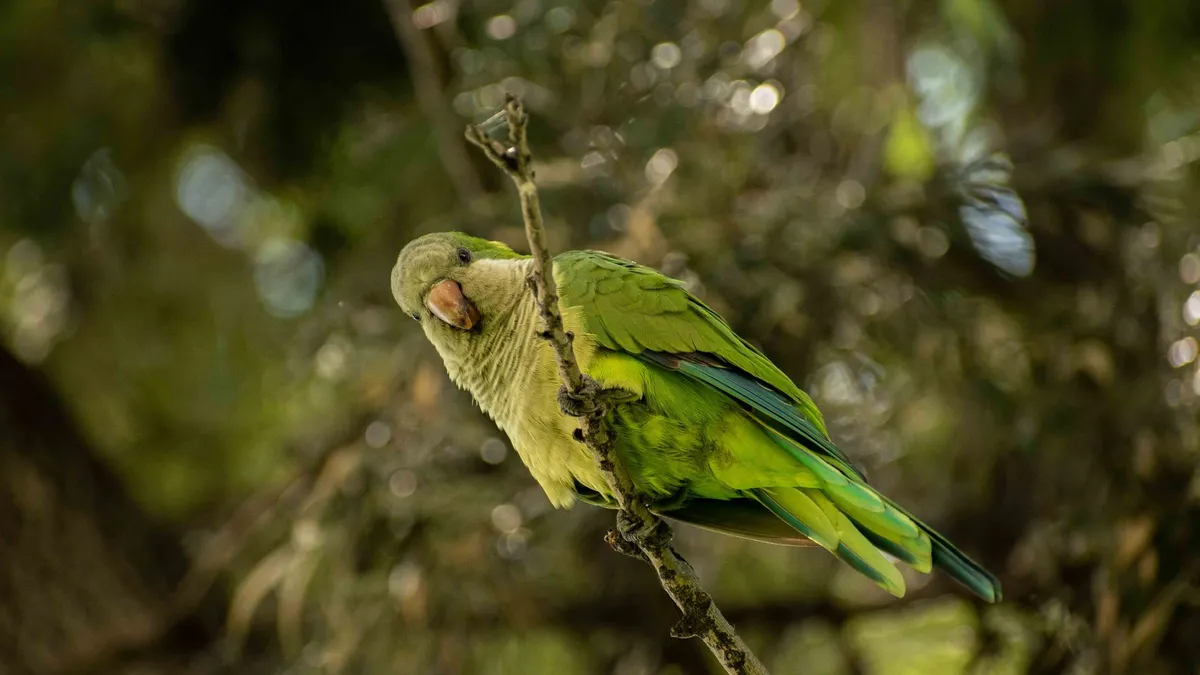
Every year, thousands of people in Spain release their exotic pets into parks, rivers, ponds and forests. Turtles into the park lake, parakeets into the garden, tropical fish into the river, snakes into the countryside. They do it believing it is an act of kindness: “at least it will be free”. But the reality is very different.
Releasing an exotic animal into the wild is an act that:
- Is illegal and can result in fines of up to EUR 200,000
- Causes ecological damage that may be irreversible
- Condemns the animal to a likely death from starvation, cold or predators
At Granja Natura (Navas, Barcelona province) we know this problem first-hand: many of the exotic animals living at the centre are rescued animals. We know that most people release animals out of ignorance, not malice. That is why we have written this guide.
The ecological impact: a chain reaction
When an exotic animal becomes established in an ecosystem that is not its own, it can trigger a chain reaction that affects the entire system. It competes with native species for food, water and space; it carries parasites and diseases against which local wildlife has no defences; it preys directly on vulnerable species; it interbreeds with native relatives and dilutes their genetic heritage; and, in some cases, it even physically modifies the habitat.
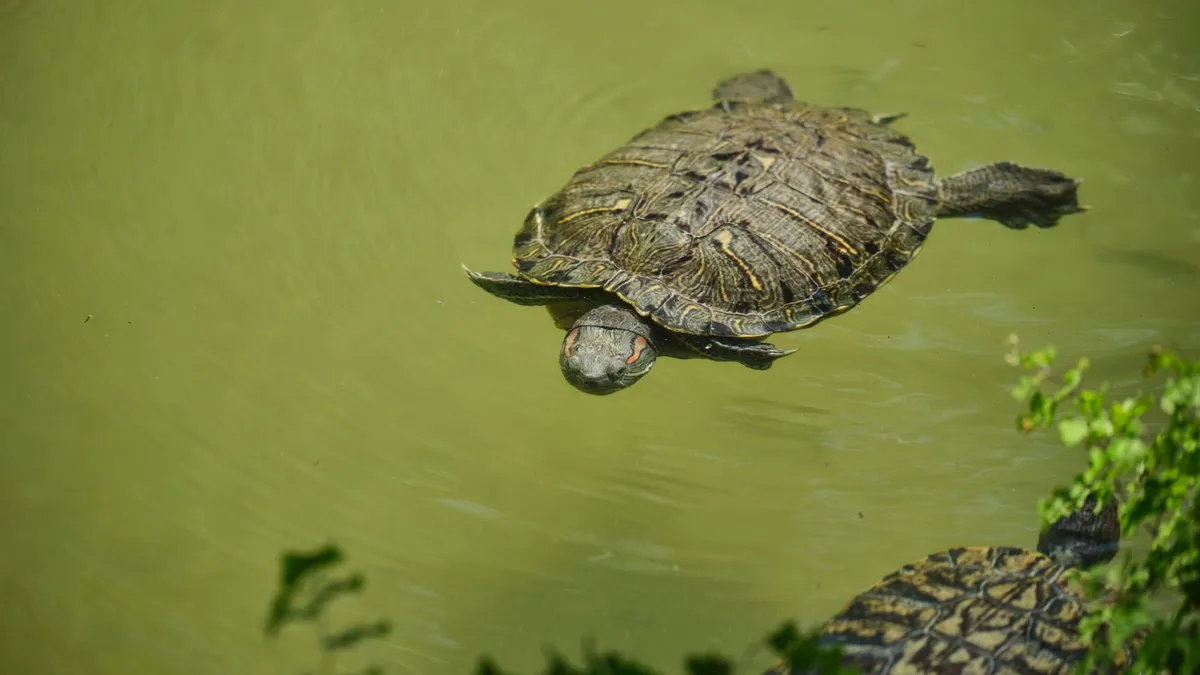
Catalonia already has well-established cases. The red-eared slider has displaced the native European pond turtle across most bodies of water, the monk parakeet has settled in Barcelona and other cities, the American mink has pushed the European mink towards extinction, and both the American crayfish and the wels catfish have transformed entire rivers. We cover each species in detail in our guide to invasive species in Catalonia.
The legal framework: what the law says
Spanish Law 7/2023 on the Protection of Animal Rights and Welfare
- Releasing an animal into the wild is a serious offence
- Fines: EUR 10,001 to EUR 200,000
- Liability: The owner is responsible for any damage the animal causes
Spanish Law 42/2007 on Natural Heritage and Biodiversity
- Introducing non-native species that may compete with native ones is a very serious offence
- Fines: Up to EUR 2,000,000 in serious cases
EU Regulation 1143/2014
- Establishes a list of invasive alien species of Union concern
- Prohibits the import, breeding, transport, trade and release of these species
Spanish Catalogue of Invasive Alien Species
- Lists invasive alien species present in Spain
- Their keeping, trade and release are prohibited
What really happens when you release an exotic pet?
Depending on the species and environment, three scenarios are possible:
Scenario 1: The animal dies (the most common)
Most domestic exotic animals do not survive in the wild:
- They do not know how to find food on their own
- They are not adapted to the local climate (cold winters)
- They do not recognise local predators
- They may be weakened by an inadequate diet in captivity
Scenario 2: The animal survives but does not reproduce
The animal partially adapts but does not find a mate or conditions do not allow breeding. It may live for years causing local damage (predation, competition) until it dies.
Scenario 3: The animal establishes and reproduces (the worst)
If conditions are favourable, the animal reproduces and establishes an invasive population. This is what happened with the red-eared slider, the monk parakeet, the American mink and dozens of other species in Catalonia. Once established, the population is virtually impossible to eradicate.
Responsible alternatives: what to do if you can’t care for your exotic pet
We repeat: NEVER release it. There are responsible alternatives:
1. Specialist shelters
- CRARC (Centre for the Recovery of Amphibians and Reptiles of Catalonia): For reptiles and amphibians
- FAADA (Foundation for the Advice and Action for Animal Defence): General guidance
- AER (Spanish Reptile Association): For reptiles
2. Wildlife recovery centres
The CRFS (Wildlife Recovery Centres) run by the Catalan regional government can advise you on what to do with exotic animals.
3. Finding a responsible adopter
If the animal has legal documentation (CITES where required), you can look for an adopter through specialist forums, exotic-animal vets or social media.
4. Consult your vet
An exotic-animal vet can advise you on the best options for your particular case.
Prevention: before you buy
The best solution is to avoid the problem in the first place:
- Research thoroughly the species: adult size, life expectancy, needs
- Visit Granja Natura to see adult-sized exotic animals and understand the commitment
- Buy legally: Make sure the animal has the necessary CITES documentation
- Plan B: Before buying, think about what you will do if you can no longer care for it
- Adopt, don’t shop: Many exotic animals are waiting for adoption at specialist centres
Every red-eared slider that ended up in a park lake was once a tiny baby turtle that somebody bought at a fair. The problem does not start at the lake: it starts at the shop.
Educate yourself and others
At Granja Natura (Navas, Barcelona province) we dedicate part of our guided visits to explaining the problem of invasive alien species. We believe education is the most powerful tool for preventing future releases and protecting our biodiversity.
Because “releasing” an exotic animal is not an act of kindness. It is an act of ecological destruction with a name and a face.
Book your visit to Granja Natura and learn why every species matters, in its rightful place.
Frequently asked questions
What happens if I release an exotic animal into the wild?
Legally, it is a serious offence punishable by fines of EUR 10,001 to EUR 200,000 under Spanish Law 7/2023 on Animal Protection and Law 42/2007 on Natural Heritage. Ecologically, the animal may establish itself, reproduce and displace native species, transmitting diseases and disrupting the ecosystem. For the animal, most die within days from hunger, cold or predators.
Which released exotic animals have caused the most damage in Catalonia?
The most severe cases are: the red-eared slider (Trachemys scripta), which has displaced the native European pond turtle; the monk parakeet (Myiopsitta monachus) and the ring-necked parakeet, which have colonised urban areas; the American mink, which threatens the European mink; and the American crayfish, which has virtually wiped out the native crayfish.
What should I do if I have an exotic pet I can no longer care for?
Never release it. Contact: FAADA (guidance), specialist exotic shelters (CRARC for reptiles and amphibians), the wildlife recovery centres (CRFS) run by the Catalan government, or find a responsible adopter with CITES documentation if required. Your exotic-animal vet can also advise you.
Why do people release exotic pets?
The main reasons are: the animal has grown too large (tortoises, snakes), it requires more care than expected, allergies, change of address, couple separations, or simply loss of interest. In every case, the solution is not to release it but to find a responsible alternative.
How can I avoid contributing to the problem?
Before buying an exotic pet, research its real needs, adult size and life expectancy thoroughly. Visit Granja Natura to see adult-sized exotic animals. If you do decide to keep one, make sure you have the legal documentation (CITES) and a contingency plan if circumstances change.
Related articles
-
Invasive species in Catalonia: animals threatening biodiversity
From the red-eared slider to the Asian hornet, invasive species cause millions of euros in damage across Catalonia. Learn about the main species, their impact and how we can stop them.
-
Buying tortoises: they live 50 years and grow huge, no one warns you
Before buying a tortoise, did you know it can live over 100 years and weigh up to 40 kg? Discover the reality of tortoises as pets and CITES regulations in Spain.
-
Responsible pet ownership: animals are not toys
Over 280,000 animals are abandoned in Spain every year. Learn what responsible pet ownership truly means, legal obligations, and how to educate children about animal respect.